How to Buy Bitcoin in Malaysia in 2026: 5 SC-Licensed Exchanges Compared — Fees, FPX and the 0% Tax Rule
Bitcoin costs about RM306,698 in Malaysia today — and long-term holders pay 0% tax on the gain. Here are the 5 SC-licensed exchanges compared by fee, FPX deposit and Shariah status, plus the one unlicensed platform the regulator warns you about.
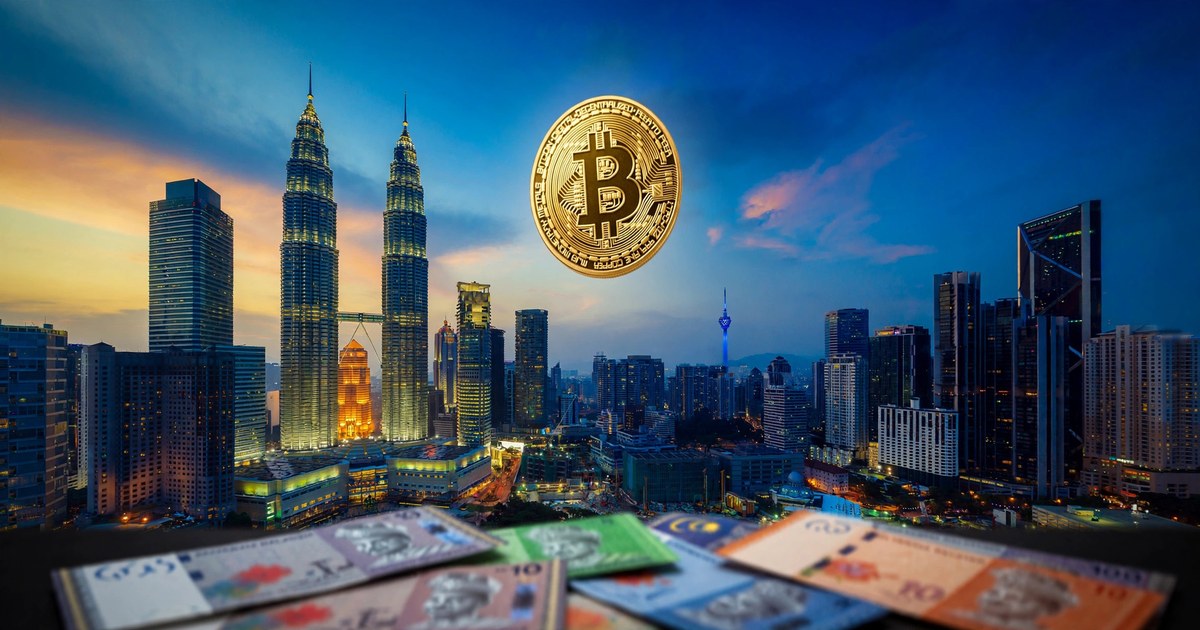
Malaysia is one of the few countries in the world where a long-term Bitcoin gain is taxed at 0%. Bitcoin trades at roughly RM307,000 (about US$76,000) in November 2026, and only five exchanges are legally licensed to sell it to Malaysians. Buy on the wrong platform and you lose the regulator's protection; trade too often and the tax office can reclassify your 0% gain as income taxed at up to 30%. This guide compares all five licensed exchanges by fee, deposit method and Shariah status, walks through the exact buying steps, and explains the tax rule that decides whether your profit is free or taxed.
Is Bitcoin Legal in Malaysia in 2026?
Yes. Bitcoin is legal to own and trade in Malaysia, but it is not legal tender. Bank Negara Malaysia (BNM), the central bank, said as early as January 2014 that Bitcoin is not legal tender, and that position has never changed. What Malaysia did instead — earlier than almost any country in Asia — was put crypto inside securities law. On 15 January 2019, a ministerial order prescribed qualifying digital currencies and digital tokens as securities under the Capital Markets and Services Act 2007, placing them under the Securities Commission Malaysia (SC).
That decision created the system Malaysians buy through today. Any exchange offering ringgit-denominated crypto pairs must be registered with the SC as a Digital Asset Exchange (DAX) under the Recognized Market Operator framework. As of July 2026, five DAX operators were registered: Luno Malaysia, Hata Digital, MX Global, SINEGY DAX and Kinetic DAX (formerly Tokenize). Global giants such as Binance, KuCoin and Bitget operate in Malaysia without SC registration — widely used, but outside Malaysian investor protections.
The rules tightened again on 20 May 2026, when revised SC guidelines took effect: exchanges may now list tokens without prior SC approval, but must hold RM15 million in paid-up capital, keep at least 80% of client assets in offline storage, and are banned from listing privacy tokens. Bank Negara, meanwhile, launched its Digital Asset Innovation Hub in July 2026 and is piloting ringgit stablecoins, with fuller policy clarity promised by the end of 2026.
The 5 SC-Licensed Exchanges Compared
All five licensed exchanges sell Bitcoin for ringgit, but they differ sharply on fees, coin choice and how you get money in and out. The table below compares them on the numbers that matter to a first-time buyer.
| Exchange | SC-licensed | Trading fee | MYR deposit | Coins listed | Best for |
|---|---|---|---|---|---|
| Luno | Yes, since 2019 | 0.10%–0.60% depending on order type | FPX, Touch 'n Go eWallet — free above RM100 | 50+ | Beginners who want the biggest regulated platform |
| Hata | Yes (SC + Labuan) | Maker 0%, taker 0.10%–0.40%; Instant Buy 1% | FPX, DuitNow — instant MYR withdrawals | 20+ | Lowest fees and fastest cash-outs |
| MX Global | Yes | Maker 0.23%, taker 0.40% | FPX bank transfer | 20+ | Straightforward MYR trading |
| Kinetic (Tokenize) | Yes | 0.60% fiat-to-crypto | FPX, bank transfer | 60+ | Widest coin choice on a licensed platform |
| SINEGY | Yes | Maker −0.25% (reward), taker 0.50% | FPX, bank transfer | 2 (BTC, ETH) | Bitcoin-only buyers and OTC trades |
Luno is the default choice and Malaysia's largest local exchange by market share, registered with the SC since June 2019. More than 50 cryptocurrencies trade against MYR, deposits through FPX Instant Transfer or Touch 'n Go eWallet are free above RM100 and arrive immediately, and bank withdrawals cost just RM0.10 and clear the same business day. Luno also offers staking on seven assets including ETH, SOL, ADA and AVAX, though it keeps 20% to 40% of each staking reward. Its fee structure is the most complex of the five: instant buys cost more than orders placed directly on the exchange book, so the fee you actually pay depends on how you buy. Fee figures in this guide are drawn from independent comparisons of Malaysian exchanges; always confirm the live fee schedule before trading.
Hata is the strongest challenger and the only local platform approved by two regulators — the SC and the Labuan Financial Services Authority. Its pricing is its main advantage: makers pay no fee at all on the MYR order book, takers pay 0.10% to 0.40%, and Instant Buy costs 1%, about half of Luno's equivalent charge. It also offers instant MYR withdrawals and staking. Kinetic, the rebranded Tokenize Malaysia, offers the widest selection at 60+ coins for a flat 0.60% fiat-to-crypto fee. SINEGY is the specialist: only Bitcoin and Ethereum, but makers actually earn a 0.25% reward, and it handles over-the-counter trades for larger buyers.
One name that does not belong on the list is MEXC. It offers some of the lowest fees anywhere and deep MYR peer-to-peer liquidity through DuitNow, FPX and Touch 'n Go, but it is not licensed by the SC — the regulator added MEXC Global to its Investor Alert List in September 2022 for operating without registration. Malaysians who use it trade outside Malaysian protections. If a platform's name is not on the SC's registered DAX list, your money is not inside the system the regulator built for you.
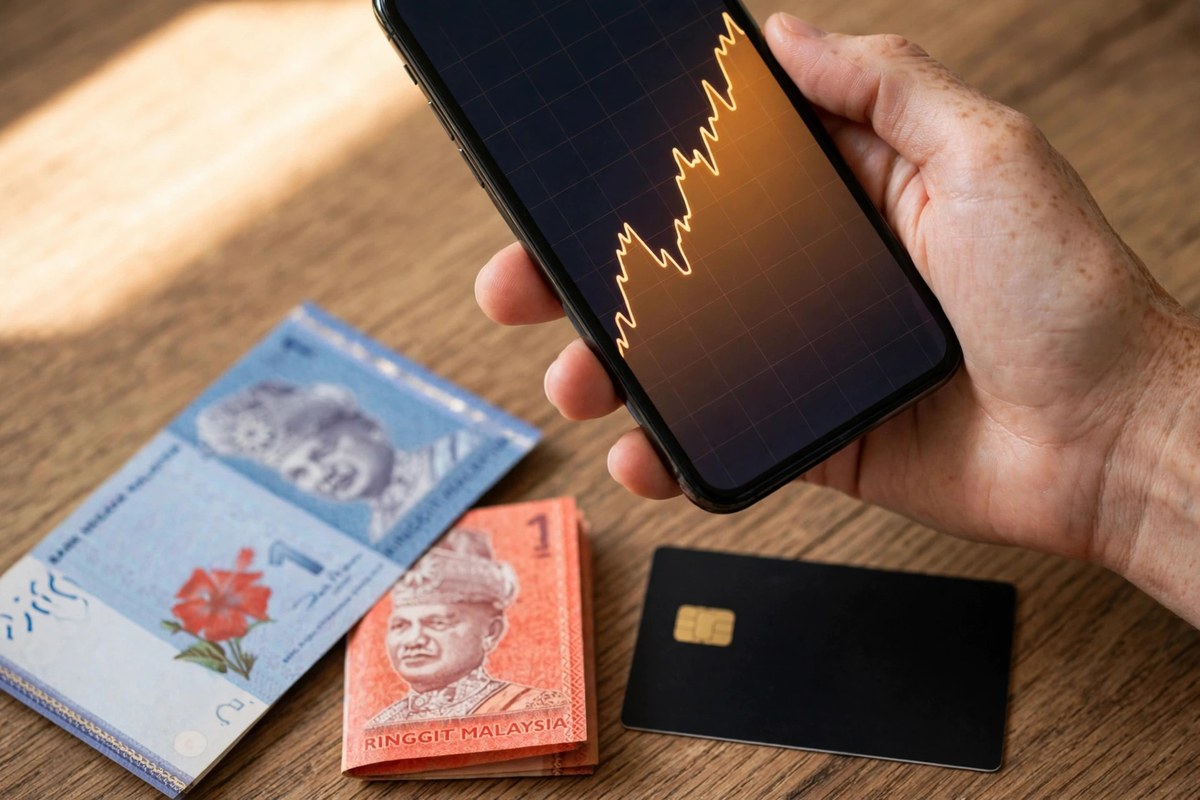
How to Buy Bitcoin in Malaysia: 5 Steps
With your documents ready, buying Bitcoin in Malaysia can take less than half an hour. The cheapest route pairs a free local deposit with an order placed directly on the exchange book, rather than an instant buy.
Step 1 — Choose a licensed exchange. Pick from the five SC-registered DAXs above. Beginners usually start with Luno for its size and simplicity; fee-conscious buyers pick Hata; anyone who wants altcoins beyond the majors picks Kinetic. Confirm the platform is still on the SC's current registered list before you register — the list changes over time.
Step 2 — Verify your identity with MyKad or a passport. Every licensed exchange must run KYC and anti-money-laundering checks. You will upload a photo of your MyKad (or passport for non-citizens) plus a selfie, and sometimes proof of address. Verification usually completes within minutes to a few hours. Keep the same name and bank account details throughout — mismatches are the most common reason withdrawals get held.
Step 3 — Deposit ringgit with FPX. FPX (Financial Process Exchange) is Malaysia's interbank online payment network, and it is the standard way to fund a crypto account: log in to your Maybank, CIMB, Public Bank or other Malaysian bank account through the exchange's deposit screen and the money arrives immediately, with no currency conversion cost. Luno deposits are free above RM100; Touch 'n Go eWallet works too. Avoid depositing from someone else's bank account — exchanges return or freeze third-party deposits.
Step 4 — Place your order on the exchange book. Do not use Instant Buy unless you need Bitcoin in seconds: it costs roughly double the exchange-book fee on most platforms. Place a limit or market order on the MYR/BTC pair instead, and check the final price before confirming. At roughly RM307,000 per Bitcoin, most first-time buyers start with RM100 to RM500 and buy a fraction of a coin.
Step 5 — Decide where the Bitcoin lives. Leaving coins on the exchange is convenient but means trusting the platform's custody. Moving them to your own wallet — a mobile wallet for small amounts, a hardware wallet for serious holdings — means you control the private keys. Whichever you choose, enable two-factor authentication and never share your seed phrase with anyone, including people claiming to be exchange support. There are no Bitcoin ATMs operating in Malaysia after past regulatory crackdowns, so authorised platforms are the only legal on-ramp.
Fees: What Buying RM1,000 of Bitcoin Actually Costs
Fees are where the five exchanges separate. On a RM1,000 purchase, Hata's 0% maker fee means a limit order can cost nothing in trading fees at all, while a taker order costs RM1 to RM4. Luno's exchange-book fees run about RM1 to RM2.50 on the same trade, but an Instant Buy can cost RM3.50 to RM6. Kinetic's flat 0.60% comes to RM6. SINEGY's taker fee is RM5, though makers earn RM2.50 back. Withdrawals add a little more: Luno charges RM0.10 for a bank withdrawal, and crypto withdrawals carry network fees on every platform.
The honest way to compare is not the headline fee but the final Bitcoin you receive. Before you commit to a platform, run the same RM1,000 test on two of them: deposit, buy, and compare the BTC credited. The platform with the lower fee but a worse MYR/BTC price can easily cost more than the platform with the higher fee.
The 0% Tax Rule — and the Trap That Turns It Into 30%
Malaysia's tax treatment is the single biggest reason the country attracts Bitcoin buyers, and the single easiest thing to get wrong. There is no general capital gains tax in Malaysia. If you buy Bitcoin as a genuine long-term investment and sell it years later at a profit, the gain is capital in nature and is not taxed. The Inland Revenue Board (LHDN) confirmed this in the second edition of its digital-currency tax guidelines, issued in December 2025: crypto disposals fall outside capital gains tax, and the capital gains tax introduced in 2024 reaches only unlisted shares and certain foreign assets held by companies — not individuals holding crypto.
But the 0% rate has a trap, and it is the part most buyers never hear about. If your dealing looks like a business under LHDN's "badges of trade" test, the profits are taxable income at the normal progressive rates, from 0% up to 30%. LHDN's own worked example makes the distinction clear: Aisyah buys RM20,000 of Bitcoin, holds it in her own wallet and sells years later for RM90,000 — the RM70,000 gain is capital and she pays no tax. Trade the same asset every day for a living, and the same RM70,000 is business income. Mining income is taxed as business income too, and airdrops and hard-fork coins are assessed at fair market value when linked to income-generating activity.
Use this checklist before you sell. It is the investor-versus-trader test LHDN actually applies:
- How often do you trade? Occasional buys and a rare sale point to investment. Daily or weekly flipping points to a business.
- How long do you hold? Years of holding is the strongest evidence of a capital gain. Days or weeks is the opposite.
- Is trading your main income? If crypto profits are your livelihood, LHDN will treat them as one.
- Do you use leverage, bots or borrowed money? Systematic, leveraged trading looks like a business, not an investment.
- Do you keep records? Dates, amounts, fees and wallet addresses for every transaction — LHDN expects them, and banks ask for source-of-funds proof on large withdrawals.
- Did you declare taxable income? Taxable crypto income is declared on Form B (business income, due 30 April) or Form BE for salaried filers (due 15 May).
One more date matters: Malaysia has committed to the OECD's Crypto-Asset Reporting Framework, with the first automatic exchange of crypto account data scheduled for 2028. Nothing is being reported yet, but the era of invisible crypto gains is ending. Keep records from day one — the 0% rate is worth having, and it is worth being able to prove.

Shariah-Compliant Bitcoin? What Muslim Investors Need to Know
Malaysia is a Muslim-majority country, and the Shariah question decides whether millions of Malaysians can buy Bitcoin at all. The SC has approved 23 specific cryptocurrencies for trading on regulated platforms, and its Shariah Advisory Council has reviewed those assets for Islamic finance compliance. Bitcoin, Ethereum, XRP, Solana and Cardano are among the assets confirmed as Shariah-compliant, while others remain under review.
That matters because the Shariah analysis does not stop at the coin. Scholars who consider Bitcoin permissible generally point to its scarcity, its use as a medium of exchange and its lack of interest, while the concerns raised are speculation, extreme volatility and use in illicit activity. The practical guidance for a Muslim buyer in Malaysia is to buy only the SC-approved, Shariah-reviewed assets, on a licensed DAX, without leverage or interest-bearing products — and to check the current SAC position, which is reviewed over time.
5 Mistakes Malaysians Make Buying Bitcoin
1. Buying on an unlicensed exchange to save 0.5%. The fee saving is real and the risk is bigger: no SC oversight, no guaranteed dispute resolution, and no protection if the platform freezes withdrawals. Check the regulator's Investor Alert List before you deposit.
2. Using Instant Buy every time. Instant Buy is the most expensive way to purchase on every licensed platform. Place orders on the exchange book and the saving on a RM1,000 monthly purchase adds up to hundreds of ringgit a year.
3. Leaving everything on the exchange. The May 2026 rules force licensed exchanges to keep 80% of client assets offline, which is genuine protection — but "not your keys, not your coins" still applies. Move serious holdings to your own wallet.
4. Trading like a business and expecting the 0% rate. Day-trading, leverage and bot trading can turn a tax-free capital gain into income taxed at up to 30%. Decide in advance whether you are an investor or a trader, and act like the one you chose.
5. Buying the top of a crash without a plan. Bitcoin is down about 40% from its October 2025 peak of roughly US$126,000, and it fell 5% in a single day this week as US tech stocks sold off. Volatility is the price of the asset. Investors who bought after studying the cycle — for example by checking when history says the best time to buy Bitcoin is — tend to survive it better than buyers who chase a green candle. If you want the wider context, read the seven tests for whether Bitcoin is in a bear market before sizing your first order.
Bitcoin in Malaysia Right Now: What to Watch
The timing of this guide is no accident. Bitcoin is trading near US$76,000 after a brutal week: US tech stocks suffered their worst day since April 2025, the Nasdaq fell 5.5%, and more than US$1.26 billion in leveraged crypto positions were wiped out in 24 hours, according to CoinDesk. The Fear and Greed Index sits at 32, firmly in Fear territory. That is exactly when first-time buyers ask whether to wait — and exactly when the answer depends on your time horizon rather than the day's headlines. For the longer view, the stock-to-flow model that says Bitcoin should be worth far more than today's price is worth reading alongside the crash coverage, and the case for and against a fall below US$70,000 sets out the levels that decide the next move.
Three Malaysian developments are worth watching into 2027: the May 2026 DAX rule changes let licensed exchanges list new tokens without waiting for SC approval; Bank Negara's ringgit stablecoin pilots could make moving between ringgit and crypto cheaper; and the Crypto-Asset Reporting Framework arrives in 2028, making clean records a legal necessity rather than good practice.
For a regional comparison, the process in neighbouring Singapore is similar but the tax treatment differs — see how to buy Bitcoin in Singapore. And if the market's violence worries you, how US$108 billion of liquidations wiped out 209,000 traders — and the five mistakes that caused it explains why leverage, not Bitcoin itself, does most of the damage in weeks like this one.
Frequently Asked Questions
Is Bitcoin legal in Malaysia?
Yes. Bitcoin is legal to own and trade, and it is regulated as a security under the Capital Markets and Services Act 2007. It is not legal tender — Bank Negara Malaysia has said so since 2014 — but owning and trading it on a licensed exchange is fully legal.
Which is the best exchange to buy Bitcoin in Malaysia?
For most beginners, Luno — Malaysia's largest SC-licensed exchange, with 50+ coins and free FPX deposits above RM100. For the lowest fees, Hata, where makers pay 0%. For the widest coin choice on a licensed platform, Kinetic (60+ coins). All five licensed DAXs are legitimate; the best one depends on whether you prioritise simplicity, fees or choice.
How much money do I need to buy Bitcoin in Malaysia?
You can start with as little as RM10 to RM100 on most licensed exchanges, since Bitcoin is divisible — at about RM307,000 per coin, RM100 buys roughly 0.00033 BTC. There is no rule that you must buy a whole Bitcoin.
Do I pay tax on Bitcoin profits in Malaysia?
Long-term investors generally pay 0%: Malaysia has no capital gains tax, and LHDN's December 2025 guidelines confirm that gains on crypto held as an investment are not taxed. But if your activity looks like a business — frequent trading, mining, or trading as your main income — profits are taxed as income at 0% to 30%. Keep records of every transaction either way.
Is Bitcoin halal in Malaysia?
The Securities Commission's Shariah Advisory Council has reviewed the approved cryptocurrencies, and Bitcoin is among those confirmed as Shariah-compliant. The assessment can change and scholars differ, so Muslim investors should buy only SC-approved assets on licensed platforms, avoid leverage and interest-bearing products, and check the current SAC position.
Can I buy Bitcoin with cash or at an ATM in Malaysia?
No. There are no Bitcoin ATMs operating in Malaysia after past regulatory crackdowns. The legal routes are FPX bank transfer, DuitNow or Touch 'n Go eWallet deposits on a licensed exchange, or peer-to-peer trading — which carries fraud risk and no regulatory protection. Stick to the licensed exchanges.
Conclusion
Malaysia gives Bitcoin buyers something rare: a regulated market, a 0% tax rate on long-term gains, and five licensed exchanges competing on fees. The winning formula is boring on purpose — pick a licensed DAX, fund it free with FPX, buy on the exchange book instead of Instant Buy, hold like an investor if you want the tax rate to stay at zero, and move holdings to your own wallet. Start with RM100, learn the rails, and let the system — not the hype — do the work.