How to Buy Bitcoin in Vietnam in 2026: 5 Exchanges Compared — Fees, VND P2P and the New 30M VND Fine
Bitcoin is legal to own in Vietnam — but buying it on an unlicensed platform can now cost you 30–50 million dong. With $122.2B in annual volume and zero licensed exchanges yet, here are the 5 exchanges Vietnamese buyers use, their fees, and the VND P2P route that actually works.
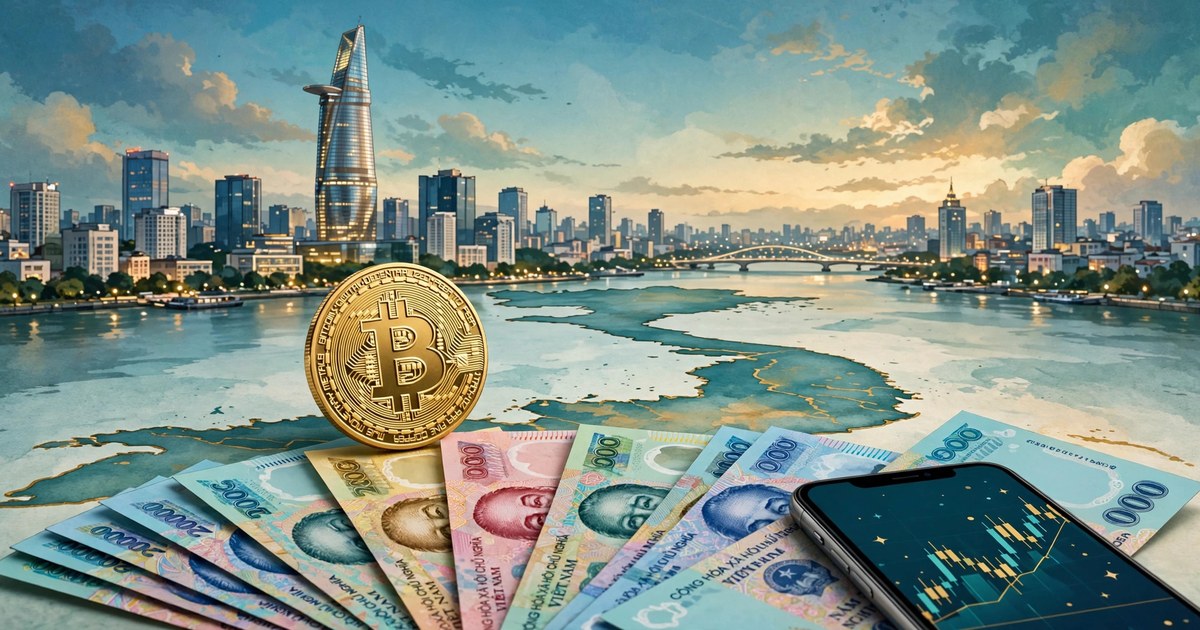
Bitcoin is legal to own in Vietnam — but buying it the wrong way can now cost you 30 to 50 million dong. Since 1 September 2026, Vietnam fines individual traders who use a crypto platform the Ministry of Finance has not licensed, and as of October 2026 not a single exchange holds that licence. Vietnam is one of the world's biggest crypto markets — $122.2 billion in trading volume in a single year — yet every Vietnamese buyer is still, legally speaking, trading in a market with no licensed venue. This guide shows you exactly how to buy Bitcoin in Vietnam in 2026: the five exchanges Vietnamese buyers actually use, their fees and VND payment options, the step-by-step P2P route, and the five checks that keep you on the right side of the new rules.
Is Bitcoin Legal in Vietnam in 2026?
Yes — owning Bitcoin is legal in Vietnam, and it has been formally recognised as property since 1 January 2026, when the Law on Digital Technology Industry (Law No. 71/2025/QH15) came into force. That law defines digital assets as a distinct category of property under Vietnamese civil law for the first time. But three limits matter more than the headline:
- Bitcoin is not legal tender. You may own it and hold it as property, but you may not use it as a means of payment for goods or services in Vietnam.
- Trading must go through licensed platforms. Government Resolution 05/2025/NQ-CP, issued 9 September 2025, created a five-year pilot market for crypto assets. All crypto transactions are supposed to run through crypto asset service providers licensed by the Ministry of Finance.
- There are no licensed platforms yet. The Ministry of Finance confirmed on 6 October 2026 that no provider had been licensed under the pilot. Five companies have passed the initial document review, but none can legally operate as a licensed exchange until final approval is granted.
The sharp edge is Decree 284/2026/ND-CP, in force since 1 September 2026. It is the first Vietnamese measure to penalise the trader rather than the platform: domestic investors who trade through an unlicensed provider face fines of 30 to 50 million dong — roughly $1,150 to $1,900 — rising to 70 to 100 million dong for assets reserved for foreign investors. The resolution's text is also explicit that six months after the first provider is licensed, domestic investors trading outside licensed platforms face administrative sanctions or even criminal prosecution. In other words, the window for casual unlicensed trading is closing, and the rules are already written.
Vietnam's Crypto Market in Numbers: Why This Guide Exists
Vietnam is not a niche crypto market. It is one of the most active on earth, and the numbers explain why the government moved to regulate it rather than ban it:
- $122.2 billion — Vietnam's total crypto trading volume from July 2025 to June 2026, according to Chainalysis data, with about $69.9 billion of it flowing through centralised exchanges.
- 4th in the world — Vietnam's rank in Chainalysis' 2025 Global Crypto Adoption Index, with retail centralised-service adoption ranked 3rd globally.
- Five applicants, zero licences — five companies have passed the Ministry of Finance's initial review, but none had received a full operating licence as of October 2026.
- 10 trillion dong — the minimum charter capital (about $380–400 million) a licensed exchange must hold, with at least 65% owned by institutional investors and foreign ownership capped at 49%.
For context on price: Bitcoin trades near $76,000 on 6 November 2026, down about 5–6% in 24 hours after a sharp sell-off in US tech stocks wiped out the post-midterm rally and triggered more than $1.25 billion in crypto liquidations. Short-term volatility is exactly why the buying method matters — a bad P2P rate or a week stuck on an exchange can cost more than a day's price move. If you are new to Bitcoin itself, start with our complete beginner's guide to how Bitcoin works before you buy your first satoshi.
The 5 Best Exchanges to Buy Bitcoin in Vietnam in 2026
No exchange holds a Vietnamese licence yet, so every platform below is an international venue that Vietnamese residents use today. That fact is the single most important thing about this table: fees and features are real, but the licensing status is the same for all five — unlicensed in Vietnam, and therefore carrying the fine risk described above. Compare them on what differs: VND payment rails, P2P depth, fees and safety record.
| Exchange | Spot Fee | VND Payment Options | KYC | Best For |
|---|---|---|---|---|
| Binance | 0.10% (0.075% with BNB) | P2P bank transfer, MoMo, ZaloPay, Viettel Money | Required | Deepest VND P2P market — 919 live P2P adverts in an October 2026 snapshot |
| Bybit | 0.10% | VietQR bank deposit, P2P, MoMo, One-Click Buy | Required | Direct VND deposits via VietQR; most engaged with Vietnamese regulators |
| OKX | 0.08% maker / 0.10% taker | P2P bank transfer, card | Required | Lowest headline spot fees; investor in CAEX, a pilot-licence applicant |
| Bitget | 0.10% | P2P, Vietnamese banks, selected e-wallets | Required | Copy trading and a large altcoin range |
| MEXC | 0.00% maker / 0.05% taker | P2P, VietQR Quick Buy | Required for some services | Cheapest spot fees; large USDT supply in VND P2P |
Binance runs the deepest dong market in the country: roughly 60% of Vietnam's crypto volume already runs through it, and an October 2026 snapshot counted 919 live VND P2P adverts with 5.6 million USDT on offer. Buyers could pay about 26,130 dong per USDT for a 10 million dong order — roughly 0.2% above Vietcombank's dollar selling rate. P2P itself is free; spot trading costs 0.10%, dropping to 0.075% when fees are paid in BNB.
Bybit is the strongest pick for a Vietnamese buyer who wants a working dong on-ramp rather than P2P alone. Users who complete Vietnamese identity verification can deposit dong directly by bank transfer using VietQR — the national bank-transfer QR standard — with a 25 million dong limit on the first deposit and 50 million on subsequent ones, then convert to USDT, BTC, ETH or SOL with One-Click Buy.
OKX offers the lowest headline spot fees of the large venues serving Vietnam (0.08% maker, 0.10% taker) plus a full Web3 wallet and DEX access. It is also the furthest along toward going onshore: in April 2026 it took a strategic stake in Vietnam Prosperity Crypto Asset Exchange (CAEX), one of the five pilot-licence applicants, alongside VPBankS, LynkiD and HashKey Capital.
Bitget and MEXC round out the list. Bitget (0.10% spot) is the pick for copy trading and a broad altcoin menu, while MEXC (0% maker, 0.05% taker) is the cheapest place to trade spot — but it holds no major licence anywhere, so its low fees come with the thinnest regulatory safety net of the five. Independent fee and P2P comparisons for Vietnam and exchange rankings with live VND funding tests both reach the same conclusion: Bybit for the on-ramp, Binance for P2P depth, OKX for price.
Two names to know beyond the big five: BitcoinVN, Vietnam's first exchange, which runs instant swaps, an OTC desk and Bitcoin ATMs with bank-transfer and cash funding; and Remitano, a long-running P2P marketplace popular with Vietnamese sellers. Neither is licensed under the pilot either.
How to Buy Bitcoin in Vietnam: Step by Step
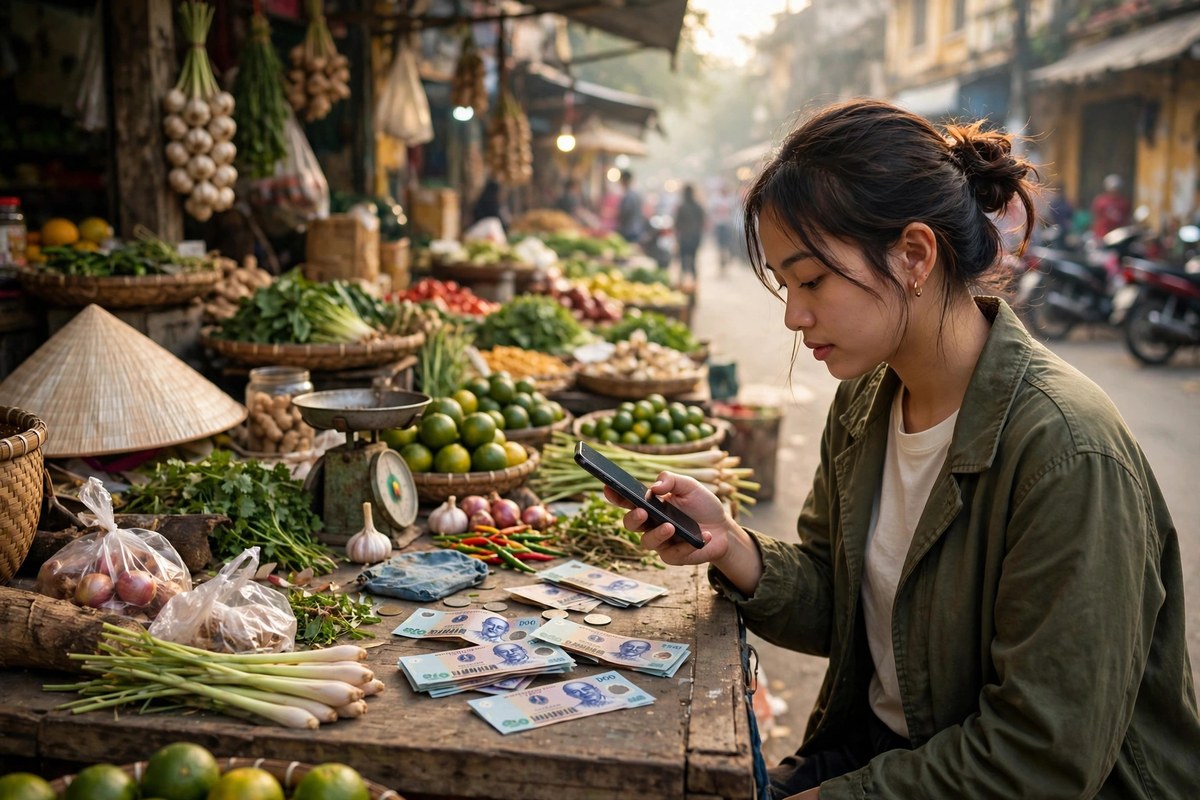
Because no licensed direct bank rail exists yet, almost every Vietnamese buyer follows the same route: dong → P2P → USDT → BTC → personal wallet. Here it is, step by step:
Step 1: Choose your exchange
Pick from the table above. For a first purchase, Binance (deepest P2P book, most merchants to compare) or Bybit (direct VietQR deposit, simplest flow) are the sensible defaults. Check that the exchange accepts Vietnamese residents, supports VND P2P, and requires the KYC documents you can provide — a Vietnamese CCCD/ID card or passport. If you have never used an exchange before, our beginner exchange comparison explains fees, safety checks and what to look for.
Step 2: Create an account and complete KYC
Register with your email or phone number, verify your identity with a government ID and a selfie, and turn on two-factor authentication (authenticator app, not SMS) before you deposit anything. All five exchanges require KYC for VND services. Never buy Bitcoin through an account in someone else's name, and never let a “helper” complete KYC for you — that is how accounts get frozen and funds get stolen.
Step 3: Fund with VND through P2P
On Binance or Bybit, open the P2P market, filter to VND, and choose a merchant who accepts your payment method — instant bank transfer, MoMo, ZaloPay or Viettel Money. Compare at least three merchants: in October 2026 snapshots, the gap between the best and worst USDT quotes for a 10 million dong order was several hundred thousand dong. Check the merchant's completion rate (aim for 98%+ and hundreds of completed trades) and never release payment outside the platform's escrow. If you use Bybit, you can skip P2P and deposit dong directly with VietQR instead.
Step 4: Convert VND to USDT, then buy BTC
Most Vietnamese buyers first convert dong to USDT (Tether) in P2P, then trade USDT for BTC on the spot market. The two-step route is cheaper than buying BTC directly with dong in P2P, where spreads are wider.
Step 5: Move your Bitcoin to your own wallet
Do not leave a meaningful amount of Bitcoin on any exchange. Withdraw it to a wallet you control — a hardware wallet for long-term holdings, or a reputable mobile wallet for smaller amounts. Our guides to the best crypto wallets for beginners and how to store crypto safely walk through the setup, and our complete beginner's guide to buying Bitcoin covers the same process in global detail. Write your seed phrase on paper, store it offline, and never photograph it or type it into a website.
Paying in Dong: VND Payment Methods Compared
Vietnam's payment rails are the reason P2P works so well here — instant bank transfers settle in seconds, and e-wallets are near-universal. The methods you will actually use:
- Instant bank transfer (NAPAS/VietQR): the default P2P settlement method. VietQR lets you pay by scanning a code in your banking app (Vietcombank, Techcombank, VPBank, BIDV and others). Bybit also accepts direct VietQR deposits into the exchange.
- MoMo: Vietnam's largest e-wallet, accepted by most P2P merchants on Binance and Bybit. Fast, but watch for merchants who ask you to send MoMo payments outside the platform — that breaks escrow protection.
- ZaloPay and Viettel Money: widely accepted alternatives on Binance P2P, useful if your bank's transfer limits are low or MoMo is down.
- International card or wire: available on Kraken, Coinmama and CEX.IO, but card purchases carry a surcharge and a worse exchange rate than P2P — usually the most expensive way to buy Bitcoin in Vietnam.
- Cash and Bitcoin ATMs: BitcoinVN operates BTC ATMs and an OTC desk for larger or cash-settled trades. Cash deals carry the highest scam risk of any method; use the OTC desk, not a stranger from a Telegram group.
The 5 Licensed Exchanges Coming — and What Changes When They Launch
Vietnam's first regulated exchanges are no longer a distant promise. Deputy Finance Minister Nguyen Duc Chi said on 12 May 2026 that the first officially regulated crypto asset trading could begin as early as the third quarter of 2026. Five companies have passed the Ministry of Finance's initial review:
- TCEX — linked to Techcombank, one of Vietnam's largest private banks.
- CAEX (Vietnam Prosperity Crypto Asset Exchange) — backed by VPBank, with OKX Ventures and HashKey Capital as investors.
- SCEX — linked to LPBank (formerly LPEX).
- VIXEX — affiliated with securities firm VIX.
- Vietnam Digital Assets JSC — backed by conglomerate Sun Group.
Passing the initial review means documents and initial requirements met the examination stage — it does not mean these companies can operate yet. Full operations can only start after final approval and licence issuance, and as of October 2026 none had been granted. The pilot will support Bitcoin, Ethereum and roughly 50 other tokens, all transactions must settle in Vietnamese dong, and licensed platforms must offer direct VND on- and off-ramps.
Da Nang, the officially designated sandbox city for the experiment, has also approved Basal Pay as the country's first licensed crypto-to-fiat conversion pilot. When the first licence lands, the six-month countdown in Resolution 05 starts: after that, trading outside licensed platforms faces sanctions. Vietnamese buyers who start on international P2P today should plan to migrate to a licensed venue the moment one opens.
5 Checks Before You Buy Bitcoin in Vietnam
Use this checklist before every purchase — it is the difference between a cheap, safe buy and an expensive lesson:
- Check 1 — Licence status: confirm whether any exchange has actually received a Ministry of Finance licence yet. As of October 2026 the answer is none. Re-check before every large purchase; the day the first licence is granted, the rules for everyone change.
- Check 2 — P2P merchant reputation: only trade with merchants showing 98%+ completion rates and hundreds of completed orders. Never pay outside platform escrow, and never accept a merchant's request to cancel and re-do a trade “off the books”.
- Check 3 — The real rate: compare the merchant's USDT/dong quote against the bank's dollar selling rate. More than 1% above it means you are overpaying; shop for another merchant.
- Check 4 — Withdrawal test: before buying a large amount, send a small test withdrawal to your own wallet and confirm it arrives. A platform that cannot return your Bitcoin is not a platform you should trust with more.
- Check 5 — Tax and records: keep a record of every purchase — date, amount in dong, exchange, and wallet address. The Ministry of Finance plans a 0.1% personal income tax on crypto transactions through licensed platforms (the same rate as stock trading), and a March 2026 draft proposed a 0.1–0.2% transaction tax plus 5–10% personal income tax. The final rates are not settled, but the direction is clear: crypto gains will be taxed, and records kept now are the ones you will need later.
What Most People Get Wrong About Buying Bitcoin in Vietnam
“Bitcoin is illegal in Vietnam.” Wrong. Owning Bitcoin is legal and recognised as property since 1 January 2026. What is illegal is using it as a means of payment — and, since September 2026, trading it on an unlicensed platform.
“The new law means I can trade freely now.” Wrong in the other direction. Legalisation of ownership and licensing of trading are two different things. The DTI Law recognised digital assets; Resolution 05 set up the licensing pilot; Decree 284 started fining unlicensed trading. The market is legal, regulated in principle, and still waiting for its first licence.
“Binance is licensed in Vietnam.” No international exchange holds a Vietnamese licence. Binance, Bybit and OKX are usable by Vietnamese residents and engage with regulators, but none is licensed under the pilot — and the 49% foreign-ownership cap means they cannot take a majority stake in a licensed venue either. OKX's route in is a minority stake in CAEX.
Frequently Asked Questions
Is it legal to buy Bitcoin in Vietnam in 2026?
Owning Bitcoin is legal — the Digital Technology Industry Law recognises digital assets as property since 1 January 2026. But trading on a platform not licensed by the Ministry of Finance can draw a fine of 30 to 50 million dong under Decree 284/2026, in force since 1 September 2026. No exchange holds a licence yet, so every current purchase carries that regulatory risk. Bitcoin may not be used as a means of payment.
Which exchange is best for buying Bitcoin in Vietnam?
Binance has the deepest VND P2P market (919 live adverts in October 2026) and the most payment options, including MoMo and ZaloPay. Bybit is best for direct VND deposits via VietQR and is the most engaged with Vietnamese regulators. OKX has the lowest spot fees (0.08% maker). None of the three is licensed in Vietnam yet.
Can I buy Bitcoin with Vietnamese dong (VND)?
Yes. The standard route is VND → P2P → USDT → BTC: buy USDT from a P2P merchant with an instant bank transfer, MoMo or ZaloPay, then trade USDT for BTC on the spot market. Bybit also accepts direct VND deposits via VietQR. All transactions in the future licensed market must settle in VND by law.
How much does it cost to buy Bitcoin in Vietnam?
Spot fees on the major exchanges run 0.08–0.10% per trade. The bigger cost is usually the P2P spread: buyers paid about 26,130 dong per USDT in October 2026, roughly 0.2% above the bank's dollar rate. Add the Bitcoin network withdrawal fee (a few dollars) and, on licensed platforms in future, a planned 0.1% transaction tax.
Do I pay tax on Bitcoin in Vietnam?
There is no final settled crypto tax regime yet. The Ministry of Finance plans a 0.1% personal income tax on crypto transactions through licensed platforms, and a March 2026 draft proposed a 0.1–0.2% transaction tax plus 5–10% personal income tax. Keep full records of every purchase — date, dong amount, exchange and wallet — so you can comply when the rules are finalised.
When will Vietnam have licensed crypto exchanges?
Five companies (TCEX, CAEX, SCEX, VIXEX and Vietnam Digital Assets JSC) have passed the Ministry of Finance's initial review, and the Deputy Finance Minister said in May 2026 that trading could begin as early as Q3 2026. As of October 2026, no full licence had been issued. Once the first licence is granted, domestic investors get six months before trading outside licensed platforms faces sanctions.
Conclusion: Buy the Dip, But Buy It the Right Way
Vietnam in November 2026 is a paradox: the world's fourth-largest crypto adoption market, $122.2 billion in annual volume, a law that recognises Bitcoin as property — and zero licensed exchanges to buy it on. The practical path is clear: use Binance for the deepest P2P book or Bybit for the simplest VietQR on-ramp, compare merchants on the real USDT/dong rate, buy USDT first and BTC second, and move your coins to a wallet you control the same day. Keep records, watch for the first licensed exchange, and be ready to migrate the moment one opens — because six months after that licence lands, the fine for staying outside the licensed market stops being a warning and starts being the law.