How to Buy Bitcoin in Kenya in 2026: 5 Exchanges Compared — Fees, M-Pesa Payments and the Nov 4 VASP Deadline
Kenya's crypto licensing deadline passed on November 4, 2026 — unlicensed platforms now face fines up to KES 25 million and 5 years in prison. Here are the 5 exchanges Kenyans actually use, compared on fees, M-Pesa support and licence status.
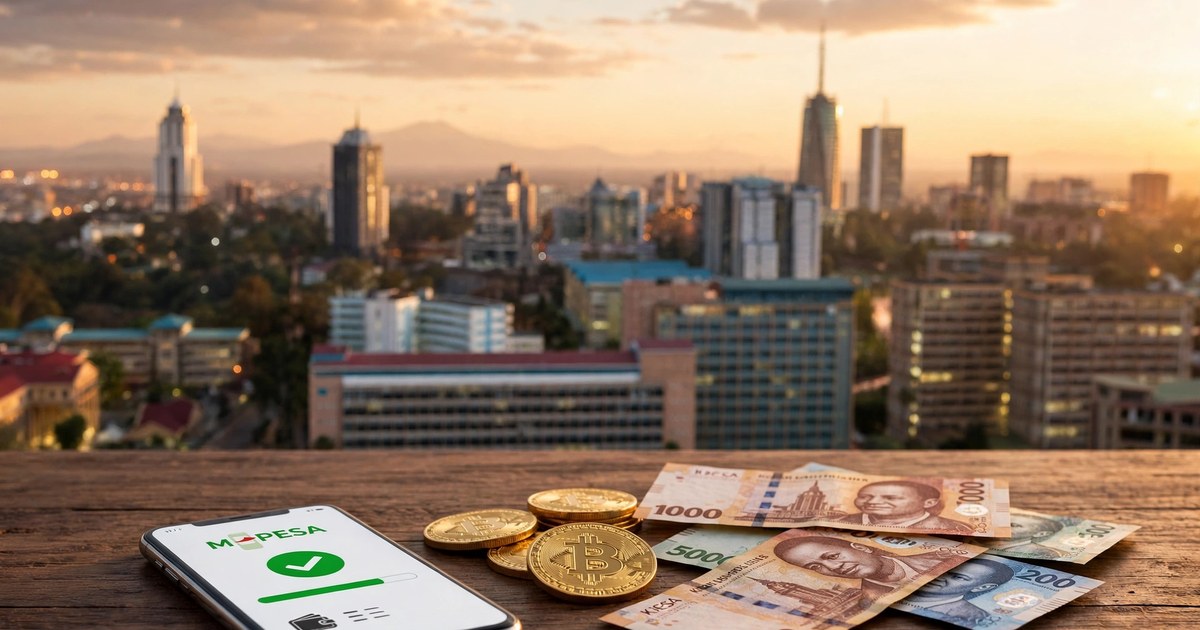
Kenya's crypto licensing deadline passed on November 4, 2026 — and not a single exchange had been licensed when the clock ran out. From that Wednesday, running an unlicensed crypto platform in Kenya became a criminal offence carrying fines of up to KES 25 million for companies and up to five years in prison. Buying Bitcoin as an individual is still legal, but the ground just shifted under every platform Kenyans use. This guide compares the five exchanges Kenyans actually trade on, explains how M-Pesa P2P buying works, what it costs in shillings, and the five checks that matter before you send a single shilling.
Bitcoin itself is trading near $75,800 as of November 7, 2026 — roughly 40% below its peak — which is exactly why first-time buyers in Nairobi, Mombasa and Kisumu are asking the same question this week: where do I buy safely, and is the platform I'm using about to be shut down? The short answer: the big international platforms are still operating and preparing licence applications, no regulator has announced a licence yet, and your safest move is to buy through escrow-protected P2P, keep records, and move anything you don't plan to trade into your own wallet. If you are completely new to crypto, start with our complete beginner's guide to buying your first Bitcoin before you open any account.
The November 4 Deadline: What Just Changed in Kenya
Kenya has gone from a legal grey zone to a licensed regime in barely a year — and the transition was so fast that the industry itself could not keep up. The Central Bank of Kenya first warned the public about virtual currencies back in 2015, banks closed accounts linked to crypto trading, and for a decade Kenyans bought Bitcoin anyway, mostly through M-Pesa and peer-to-peer markets. That era ended with the Virtual Asset Service Providers Act, 2025.
Kenya's crypto regulation timeline
| Date | What happened | What it means for you |
|---|---|---|
| 2015 | Central Bank of Kenya warns banks and the public about virtual currencies | Banks start closing crypto-linked accounts; P2P becomes the main route |
| 1 July 2025 | Finance Act 2025 replaces the 3% Digital Asset Tax with a 10% excise duty on the fees platforms charge | You no longer pay 3% on the value of your trade — the 10% applies to platform fees only |
| 15 October 2025 | VASP Act, 2025 receives presidential assent | Kenya gets its first dedicated crypto law |
| 4 November 2025 | VASP Act comes into force; one-year transition begins | Existing operators get 12 months to comply |
| 22 July 2026 | VASP Regulations, 2026 gazetted as Legal Notice 134 — ten licence categories | The actual rules arrive, less than four months before the deadline |
| 4 November 2026 | Compliance deadline passes; unlicensed operation becomes a criminal offence | Platforms serving Kenyans must hold a CMA or CBK licence |
The law splits supervision between two regulators. The Capital Markets Authority (CMA) licenses exchanges, trading platforms, brokers and token platforms — the investment side. The Central Bank of Kenya (CBK) licenses wallet providers, payment processors and stablecoin issuers — the money side. A company offering services "in or from Kenya" needs a licence even if it has no office in Nairobi, and full licences are open only to locally incorporated companies.
Here is the part that should shape your choice of exchange: as of late October 2026, no provider had been licensed under the Act, and the CMA's licensee directory still had no virtual asset category as of September 30, 2026. Binance, Luno, Yellow Card, VALR and Kotani Pay are among the firms reported to be preparing applications. Every exchange in this guide is in the same transition — none can yet show you a Kenyan licence, and any platform that claims otherwise should be treated with suspicion. Check a platform's status on the CMA and CBK registers, which are expected to list licensed providers after November 4.
The 5 Exchanges Kenyans Actually Use, Compared
No exchange offers M-Pesa as a direct deposit method — independent comparisons of Kenya's exchanges confirm the same. That is the single most important fact about buying Bitcoin in Kenya: every shilling route runs through peer-to-peer trading, a bank card, or a bank transfer. The comparison below reflects how Kenyans actually buy — P2P first — and it is honest about the licence question, because that is what the November 4 deadline changed.
| Exchange | Best for | KES funding | Trading fee | M-Pesa route | Kenyan licence status |
|---|---|---|---|---|---|
| Binance | Most Kenyans' first stop; deepest P2P market | P2P, card, bank transfer | 0.1% spot | P2P escrow — pay seller by M-Pesa | Preparing application; none issued yet |
| Bybit | Zero-fee P2P and card payments | P2P, card, bank transfer | 0.1% spot; P2P free | P2P escrow — pay seller by M-Pesa | Preparing application; none issued yet |
| Luno | Beginners who want a simple app | Card, bank transfer; P2P via partners | 0.1%–2% depending on tier | Indirect — P2P sellers accept M-Pesa | Preparing application; none issued yet |
| Yellow Card | African-focused; local support | Bank transfer, M-Pesa via P2P | ~1%–2% all-in | P2P and agent network | Preparing application; none issued yet |
| MEXC | Lowest fees and widest coin choice | Card, P2P | 0% maker / 0.02% taker spot (promotional) | P2P escrow — pay seller by M-Pesa | No Kenyan licence; no local regulator oversight |
1. Binance — the deepest P2P market in Kenya
Binance is where most Kenyan buyers start: its P2P market has the most sellers quoting in Kenyan shillings, which means tighter spreads and faster fills. You buy USDT or BTC directly from another user, pay them by M-Pesa, and Binance holds the crypto in escrow until you confirm payment. Spot trading costs 0.1% per trade. The trade-off is the P2P markup: sellers typically price 2% to 5% above the market rate, so a KES 10,000 buy gets you roughly KES 9,500 to KES 9,800 worth of Bitcoin. Binance is reported to be preparing a licence application under the VASP Act, but like everyone else, it holds no Kenyan licence yet.
2. Bybit — free P2P and a strong second option
Bybit's P2P market charges no fee to buyers, and its card payments work for Kenyans who prefer not to haggle with individual sellers. Its P2P sellers accept M-Pesa, and the escrow system works the same way as Binance's. Hold Bybit as a second account alongside Binance — when one platform's P2P spread widens, the other's is often tighter, and comparing the two before a large buy can save 1% to 2% on every trade.
3. Luno — the beginner-friendly app
Luno has long been one of the easiest apps for a first-time Kenyan buyer: clean interface, simple buy/sell buttons, and no P2P negotiation required if you pay by card or bank transfer. The cost is higher — fees run from 0.1% to around 2% depending on how you buy — and M-Pesa only enters the picture through P2P sellers. Luno is also among the firms preparing a licence application. If you value simplicity over the last shilling of price, Luno is the least intimidating place to make your first purchase.
4. Yellow Card — built for Africa
Yellow Card is the African-focused exchange on this list, with local support and an agent network that some Kenyan buyers prefer to faceless international platforms. Its all-in cost is higher, roughly 1% to 2%, but the local presence matters if something goes wrong — you are dealing with a company that has staff on the continent, not just a help desk in another time zone. Yellow Card's country manager has publicly welcomed the VASP Act, and the firm is preparing its licence application.
5. MEXC — cheapest fees, weakest local protection
MEXC wins on price: maker fees of 0% and taker fees around 0.02% on spot, plus the widest coin selection of the five. The honest catch is that MEXC has no Kenyan licence and no local regulator oversees how it treats you. That does not make it a scam, but it does mean your only recourse in a dispute is the platform itself. Keep only trading money on MEXC, and move anything you intend to hold into your own wallet. Our guide to the best crypto wallets for beginners explains hot versus cold storage in plain language.
One platform to avoid for now: Bitget suspended withdrawals after a wallet breach, according to recent reporting — hold off depositing there until withdrawals reopen and the incident is fully explained.
How to Buy Bitcoin With M-Pesa: Step by Step
M-Pesa is how most Kenyans actually buy Bitcoin, and the process is the same on every major P2P platform. Work through it slowly the first time — the escrow system protects you, but only if you follow the order.
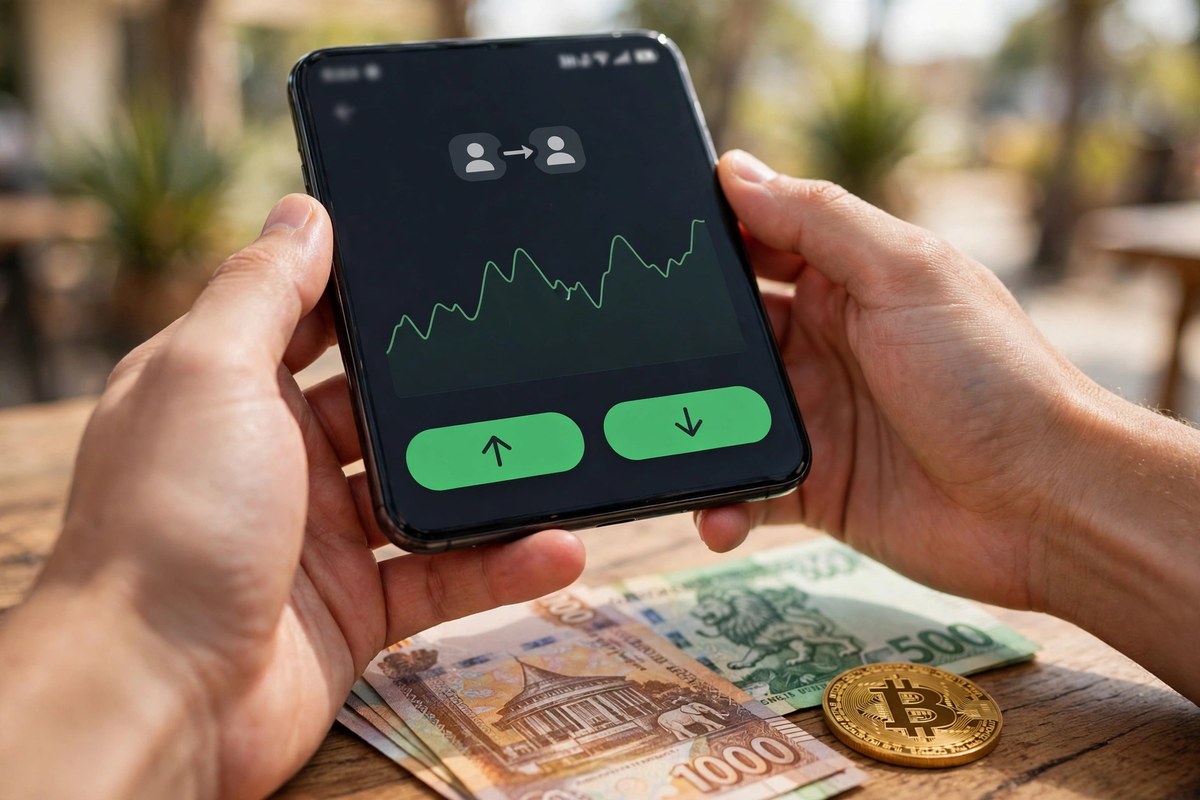
- Create and verify your account. Download the exchange app, register with your email and phone number, and complete identity verification (KYC) with your Kenyan national ID or passport. Verification usually takes minutes to a few hours.
- Open the P2P section and set your filters. Choose Buy, select BTC (or USDT if you prefer to convert later), set the currency to KES and the payment method to M-Pesa.
- Pick a seller with a strong record. Look for 98%+ completion rates, hundreds of completed trades, and a verified badge. A seller quoting 2% above market with 5,000 trades is safer than one quoting 0.5% above market with 12 trades.
- Enter your amount and confirm the order. The seller's Bitcoin is locked in escrow the moment the order is created. You typically have 15 minutes to pay.
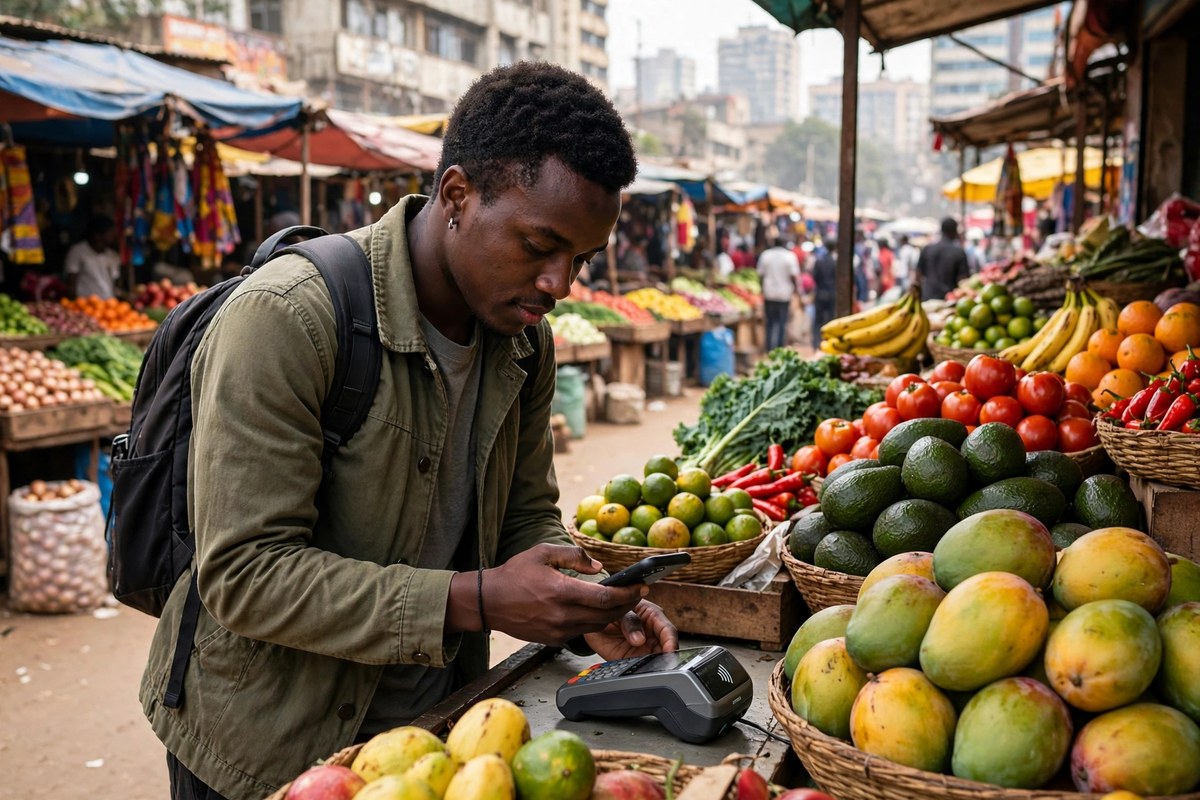
- Send the exact amount by M-Pesa to the seller's number shown in the order. Use the name and number displayed inside the trade — never a number the seller sends you in chat. M-Pesa fees run from KSh 6 to KSh 108 for transfers between KES 101 and KES 20,000.
- Tap "Transferred, notify seller" and wait for release. The seller confirms receipt and the escrow releases your Bitcoin to your exchange wallet. Never release payment confirmation before you have actually paid, and never confirm receipt of crypto you have not received.
- Move it to your own wallet. If you plan to hold for months, withdraw to a wallet you control. Leaving coins on an exchange means trusting the exchange's security — and as the November 4 deadline showed, the regulatory picture is still settling.
What It Costs: A KES 10,000 Bitcoin Buy, Worked Out
Fees are where Kenyan buyers lose the most money without noticing, because the headline trading fee is the smallest part of the bill. Here is what a KES 10,000 first buy typically looks like:
| Cost | Typical range | On KES 10,000 |
|---|---|---|
| P2P seller markup (spread above market price) | 2%–5% | KES 200–500 |
| M-Pesa transfer fee | KSh 6–108 | KES 6–108 |
| Exchange trading fee (if buying on spot after a USDT purchase) | 0.1%–1% | KES 10–100 |
| Withdrawal fee to your own wallet | Network fee, varies | KES 50–300 equivalent |
| 10% excise duty on platform fees | 10% of the fee, not the trade | A few shillings |
All in, a KES 10,000 buy usually lands you between KES 9,300 and KES 9,700 worth of Bitcoin. The spread is the number to watch: comparing two or three sellers before you buy is worth more than chasing the lowest trading fee.
Tax in Kenya: The 10% Excise Duty and KRA Returns
Kenya's crypto tax picture changed twice in two years, and many guides still quote the old rules. The 3% Digital Asset Tax on the value of crypto transactions was repealed by the Finance Act 2025, effective July 1, 2025. In its place, a 10% excise duty applies to the fees that virtual asset providers charge — not to the value of your trade. On a KES 10,000 buy with KES 100 of platform fees, the excise duty is KES 10, not KES 1,000 — which is why the old "3% on everything" advice is now wrong.
The Finance Act 2026 adds a second obligation: virtual asset service providers must file annual information returns with the Kenya Revenue Authority (KRA), which means your trading activity is increasingly visible to the taxman. Keep records of every trade — M-Pesa receipts, P2P order IDs, exchange exports, wallet addresses and transaction IDs — because the KRA can ask for them. Profits may still be taxable as capital gains or business income depending on how you trade, and the rules are still being clarified, so a short conversation with a Kenyan tax adviser is money well spent before you sell a large position. For context on how other countries handle the same question, see our coverage of Bitcoin's crash history and what past crashes did next — the tax treatment of a loss matters as much as the tax on a gain.
5 Checks Before You Buy Bitcoin in Kenya
Run through this checklist before every purchase, not just your first — it takes two minutes.
- Check the licence register first. Before you deposit, look for the platform on the CMA and CBK registers. No licence has been issued yet as of late October 2026, so a platform claiming a Kenyan licence is lying — but once licences do appear, this check becomes the single most important one.
- Verify the seller, not just the price. On P2P, completion rate and trade count matter more than a 1% better quote. A seller with 98%+ completion and thousands of trades is worth the extra spread.
- Match the name on the M-Pesa account. The name on the M-Pesa number must match the seller's verified name in the trade. A mismatch is a red flag — cancel the order.
- Start small and test the withdrawal. Buy a small amount first, then withdraw it to your own wallet to prove the whole chain works — deposit, trade, withdrawal — before you commit serious money.
- Keep every receipt. Screenshot the M-Pesa confirmation, save the P2P order ID and the exchange's trade export. The KRA's new annual information returns mean your exchange already reports your activity; your records are your defence if anything is questioned.
Scams Targeting Kenyan Buyers
Kenya's P2P market is also a hunting ground for scammers, and the most common tricks all aim to get you to pay outside escrow. Fake M-Pesa confirmation messages are the classic — a seller sends a doctored SMS and pressures you to release the crypto. Real confirmations arrive from the official M-PESA short code, and the escrow system shows the payment status inside the app; never trust a screenshot.
WhatsApp and Telegram "investment groups" promising guaranteed daily returns are the second trap — they are Ponzi schemes with a Kenyan phone number, and the November 2026 crash has made them more aggressive, not less. The CMA warned the public about unlicensed investment platforms, including crypto platforms, in September 2026. No legitimate exchange will ever contact you on WhatsApp to offer a deal, and nobody can guarantee returns on Bitcoin. If you want a framework for judging whether any crypto opportunity is real, our guide Is Bitcoin a Good Investment in 2026? walks through the risks and the honest math.
Frequently Asked Questions
Is buying Bitcoin legal in Kenya?
Yes. It is legal for individuals to buy, hold and trade Bitcoin in Kenya. Bitcoin is not legal tender — you cannot officially pay for goods with it — and the Central Bank of Kenya has warned about the risks, but trading has never been banned. What changed on November 4, 2026 is that the platforms serving you must now hold a licence from the CMA or CBK, and operating without one is a criminal offence.
Can I buy Bitcoin with M-Pesa?
Yes, through peer-to-peer trading. No exchange offers M-Pesa as a direct deposit method, but Binance P2P, Bybit P2P, Paxful and Yellow Card all let you buy BTC or USDT from sellers who accept M-Pesa. The crypto is held in escrow until you confirm payment, which protects both sides. M-Pesa transfer fees run from KSh 6 to KSh 108 for amounts between KES 101 and KES 20,000.
Which exchange is best for beginners in Kenya?
Luno is the simplest app for a first purchase, while Binance has the deepest P2P market and the tightest spreads. If you want the lowest fees and don't mind a more complex interface, MEXC is cheapest — but keep only trading money there, since it has no Kenyan licence and no local regulator oversight. Most Kenyan buyers end up with two accounts: one for P2P buying, one for holding.
Do I pay tax on Bitcoin in Kenya?
The 3% Digital Asset Tax was repealed on July 1, 2025. It was replaced with a 10% excise duty on the fees platforms charge — not on the value of your trades. The Finance Act 2026 also requires virtual asset providers to file annual information returns with the KRA, so your trading activity is reported. Keep full records of every trade, and speak to a Kenyan tax adviser before selling a large position.
Is my money safe on these exchanges?
Safer than it was, but not guaranteed. No exchange operating in Kenya holds a Kenyan licence yet, so there is no local regulator to complain to if something goes wrong. Reduce the risk: use escrow-protected P2P only, enable two-factor authentication, never share your password or verification codes, and move coins you plan to hold into a wallet you control. If you are new to wallets, read What Is Bitcoin? first.
Conclusion
Kenya just became one of the first African countries with a real crypto licensing regime — and the November 4 deadline passed with zero licences issued, which tells you where the market stands: legal, regulated on paper, and still finding its feet. For a Kenyan buyer, the playbook is straightforward. Buy through escrow-protected P2P on Binance or Bybit, compare spreads before every trade, pay by M-Pesa only inside the platform, keep every receipt for the KRA, and move anything you plan to hold into your own wallet. Check the CMA and CBK registers before your next deposit, and let the licence, not the marketing, decide where your shillings go.
Educational content, not investment advice. Verify an exchange's licence status and fees before trading.