How to Buy Bitcoin in Hong Kong in 2026: 5 SFC-Licensed Exchanges Compared — Fees, FPS and the CARF Tax Rule That Starts January 1
Hong Kong lets you buy Bitcoin legally on 13 SFC-licensed exchanges — but from January 1, 2027, the new CARF law means your trades get reported to tax authorities. Here are the 5 best licensed exchanges, their fees, FPS funding, and the tax rules that decide what you keep.
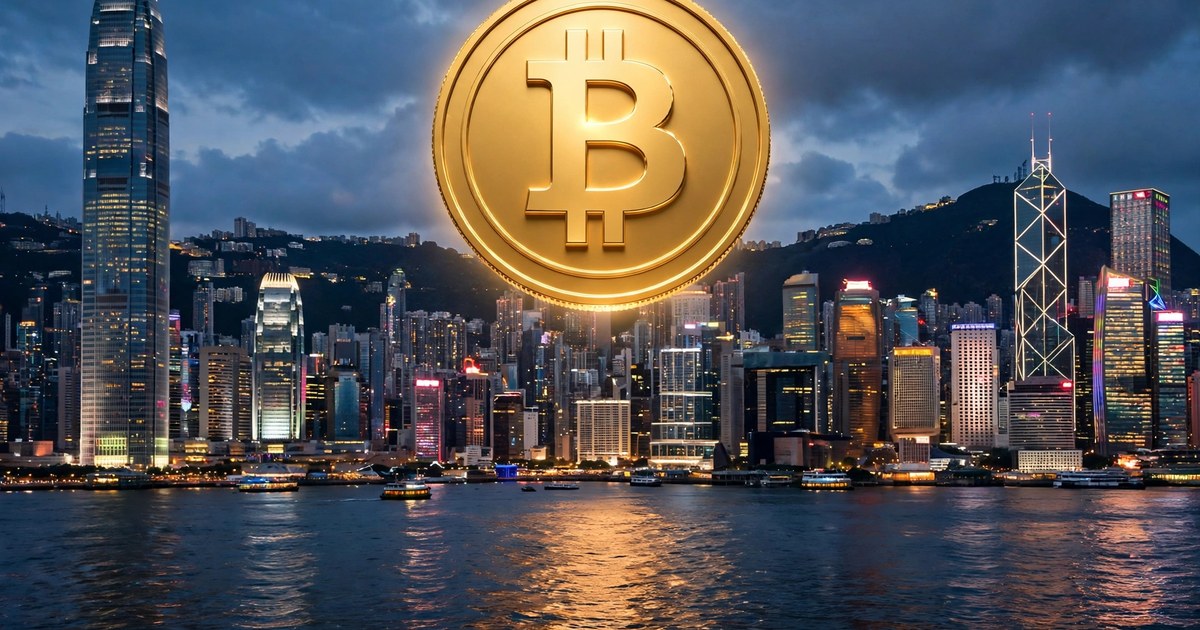
Hong Kong is one of the few places on earth where you can buy Bitcoin on a fully licensed, government-regulated exchange — and from January 1, 2027, every trade you make on those exchanges will be recorded and, from 2028, shared with tax authorities abroad. Only 13 platforms hold a licence from Hong Kong's Securities and Futures Commission (SFC), and just two of them — OSL and HashKey — have clearly documented retail service. This guide compares the 5 best licensed options, shows you exactly how to buy your first Bitcoin with Hong Kong dollars, and explains the new CARF tax-reporting rule before it catches you by surprise.
Bitcoin is trading near $75,700 on November 6, 2026, about 40% below its October 2025 all-time high of roughly $126,000, after a $1.25 billion liquidation cascade and a hotter-than-expected US jobs report pushed December Fed rate-hike odds above 70%. That is the backdrop for this guide — but the rules below matter whether Bitcoin is at $75,000 or $175,000, because in Hong Kong the question is no longer whether crypto is legal. It is which licensed door you walk through, and what the taxman will know about it from next year.
Is Bitcoin Legal in Hong Kong?
Yes. Buying, selling and holding Bitcoin is legal in Hong Kong, and the city runs one of the most structured crypto regimes in Asia. Since June 1, 2023, any centralised platform that operates in Hong Kong or actively markets to Hong Kong investors must hold a licence from the SFC under the virtual asset service provider (VASP) regime. Stablecoin issuers have needed a separate licence from the Hong Kong Monetary Authority (HKMA) since August 2025, and the HKMA granted the first stablecoin licences — to Anchorpoint Financial and HSBC — on April 10, 2026.
That licensing wall is the single most important fact in this guide. The global giants you may already know — Binance, Coinbase, OKX and Bybit — have not obtained Hong Kong operating licences. The SFC warns investors to use only licensed platforms, and says trading on unregulated ones, including overseas sites, can mean losing everything with little chance of recovery. If a platform cannot show you its SFC licence, it is not a legal option for Hong Kong residents — no matter how big it is elsewhere.
As of the SFC's list updated on October 16, 2026, exactly 13 virtual asset trading platforms (VATPs) are formally licensed. The list is short on purpose: Hong Kong chose a small number of tightly supervised platforms over an open market. If you are new to Bitcoin itself, start with our complete beginner's guide to how Bitcoin works before you fund an account.
The 5 Best SFC-Licensed Exchanges in Hong Kong Compared
Of the 13 licensed platforms, only a handful are built for ordinary retail buyers. The two names every Hong Kong buyer should know first are OSL and HashKey — the only two licensed platforms with fully documented retail exchange service. The other three below round out the practical shortlist: one global name, one built for tokenised assets, and the newest licensee.
| Exchange | Licensed since | SFC reference | Retail Bitcoin trading | What stands out |
|---|---|---|---|---|
| OSL Exchange | 15 Dec 2020 | BPJ213 | Yes — BTC, ETH, SOL, XRP | Hong Kong's first licensed platform; parent OSL Group is listed on the Hong Kong Stock Exchange (863.HK); up to US$1 billion in client asset insurance; 98% cold storage |
| HashKey Exchange | 9 Nov 2022 | BPL992 | Yes — 20+ coins incl. BTC, ETH, SOL | Hong Kong's largest licensed exchange by retail volume; powers crypto trading inside ZA Bank and Mox Bank apps |
| Bullish | 18 Feb 2025 | Licensed VATP | Yes | Global exchange group with a Hong Kong licence; deep liquidity from its international order book |
| HKVAX | 3 Oct 2024 | BPW549 | Yes | Focused on security token offerings and real-world asset tokenisation alongside spot crypto |
| Bixin.com | 18 May 2026 | BUY737 | Yes | The newest licensee on the SFC list; the 13th platform added, from an established mining-era brand |
A note on fees, because this is where guides usually mislead you: trading fees on licensed Hong Kong platforms vary by volume tier and change often, and none of the five publishes a single flat rate that stays true for every user. Expect to pay a maker/taker fee on each trade plus a spread between the buy and sell price, and check the live fee schedule inside the app before your first order — the cheapest headline rate is worthless if the spread eats it. What does not vary much is funding: deposits in Hong Kong dollars by FPS (Faster Payment System) or local bank transfer are typically free or near-free, while card deposits, where offered, carry the highest fees. Withdrawals of Bitcoin to your own wallet usually carry a fixed network fee set by the platform.
Two practical filters decide between OSL and HashKey for most first-time buyers. If you want the longest regulatory track record and the comfort of a listed parent company with billion-dollar insurance, OSL is the conservative pick. If you want the widest coin choice and the option to trade inside a virtual bank app you may already use, HashKey is the convenient pick. Either way, verify the licence yourself on the SFC's official list of licensed virtual asset trading platforms before you deposit — the list is the only source that counts, and it changes.
How to Buy Bitcoin in Hong Kong: 7 Steps
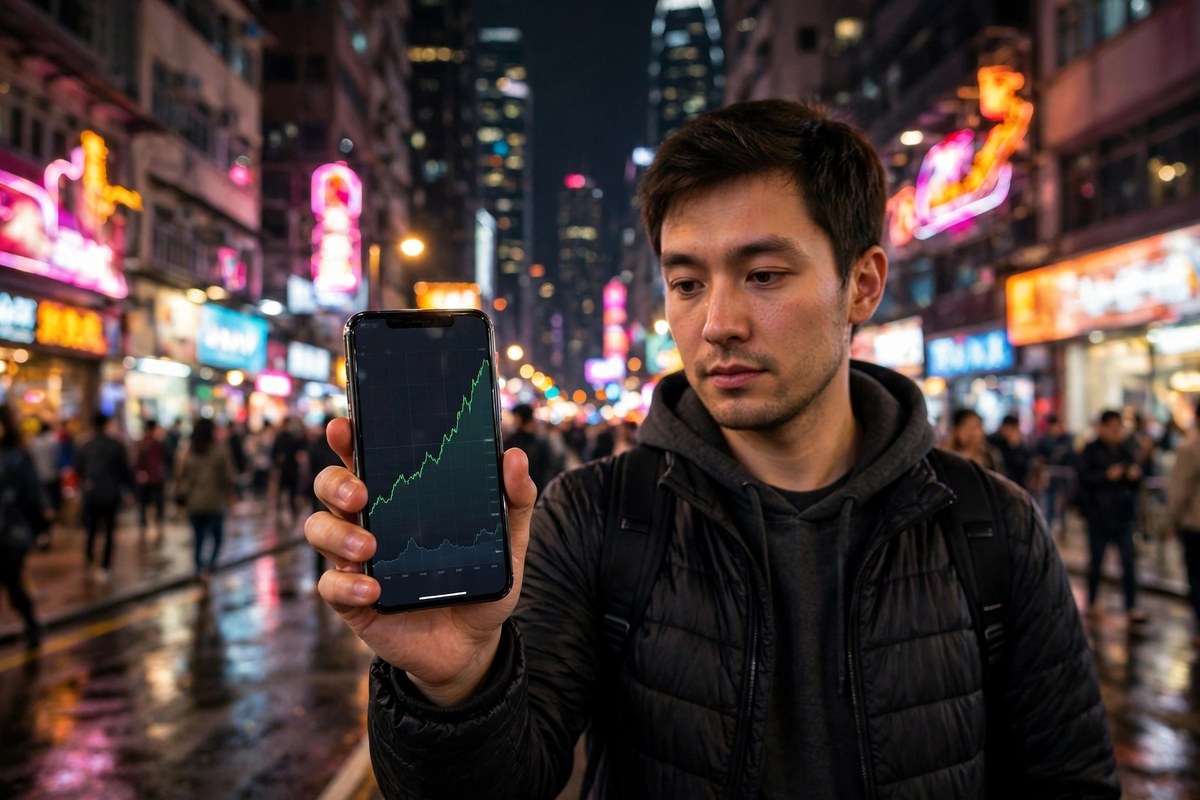
Buying your first Bitcoin in Hong Kong takes about 20 minutes of setup and one bank transfer. The process is nearly identical on every licensed platform, because the SFC requires the same identity checks everywhere.
Step 1: Pick a licensed platform
Choose from the table above and confirm the platform appears on the SFC's licensed list. Do not use an unlicensed offshore exchange to get around the rules — your money has no protection there, and from 2027 your trades on licensed venues are reported anyway, so the "privacy" of an offshore account is largely an illusion.
Step 2: Open an account and verify your identity
You will need your Hong Kong identity card (HKID) or passport, proof of address, and a selfie or liveness check. Licensed platforms must run full know-your-customer (KYC) and anti-money-laundering checks under the Anti-Money Laundering Ordinance. Verification usually takes minutes to a few hours for individuals.
Step 3: Fund your account in Hong Kong dollars
Deposit HKD by FPS using your Hong Kong bank account, or by local bank transfer. FPS is the fastest route — funds typically arrive within minutes and cost nothing from most banks. International wires work too but take a day or more and carry bank charges. Never deposit from someone else's account: the name on the bank account must match the name on the exchange account, or the deposit will be rejected.
Step 4: Place your first Bitcoin order
Search for BTC/HKD (or BTC/USDT if you prefer to hold stablecoins first) and choose a market order for instant execution at the current price, or a limit order if you want to set your own price. Start small: most platforms let you buy a fraction of a Bitcoin, so HK$1,000 buys you roughly 0.0017 BTC at current prices. Check the quoted price against the wider market before you confirm — a wide spread on a small order is the most common beginner overpayment.
Step 5: Decide where to keep it
You can leave Bitcoin on the exchange, but the $6.3 billion Binance hack of October 29, 2026 is a fresh reminder that exchanges are targets. For any amount you would miss, move it to a wallet you control. Our guide to the best crypto wallets for beginners compares hot and cold options, and our safe buying checklist covers the 10 checks that matter most after a major exchange breach.
Step 6: Record everything from day one
Export your transaction history regularly and keep it for seven years — the Inland Revenue Department requires seven years of records, and the new CARF rules below make this non-negotiable. Record the date, the HKD amount, the Bitcoin amount, and the price for every buy, sell and transfer.
Step 7: Plan your exit before you need it
Decide in advance whether you are holding for years or trading. The tax treatment is different — long-term holdings are generally tax-free in Hong Kong, while frequent trading can be taxed as business income — and your record-keeping should match your plan. If you want the full first-timer walkthrough, our complete beginner's guide to buying Bitcoin covers wallets, order types and security in more depth.
The CARF Tax Rule That Starts January 1, 2027
Here is the twist most Hong Kong buyers have not priced in yet. On November 4, 2026, Hong Kong's Legislative Council passed the Inland Revenue (Amendment) (Crypto-Asset Reporting Framework and Amended Common Reporting Standard) Bill 2026. It adopts the OECD's Crypto-Asset Reporting Framework (CARF) — effectively a CRS for crypto — into Hong Kong law. The bill does not create a new tax on crypto. It creates something that matters just as much: automatic reporting of your crypto activity to the taxman.
| Date | What happens |
|---|---|
| 1 January 2027 | Reporting crypto-asset service providers must start collecting the specified information on customers and their transactions |
| 2028 | The Inland Revenue Department starts exchanging that information with partner jurisdictions — including mainland China |
| 2029 | The amended Common Reporting Standard takes effect; financial account information is exchanged under the new standard |
Four categories of data must be reported: every crypto-to-crypto exchange (including Bitcoin to USDT, even with no fiat involved), every fiat in-and-out flow, every transfer of crypto assets (including moves to your own private wallet, if routed through a reporting institution), and retail payments and external wallet transfers. Deliberate evasion or misreporting can breach the Inland Revenue Ordinance, with fines or even imprisonment on conviction. The full detail is in our earlier report on the Hong Kong CARF tax reporting law.
What CARF does not change is Hong Kong's tax treatment of the gains themselves. There is no capital gains tax on long-term crypto investments: buy Bitcoin, hold it for years, sell it, and the gain is generally tax-free. But frequent trading can be classified as a business under the Inland Revenue Department's "badges of trade" test, and business profits are taxed at up to 17%. Staking rewards, airdrops and DeFi income are generally treated as taxable income at fair market value. Personal tax rates run from 2% on the first HK$50,000 to 17% above HK$5 million, and there is no VAT or GST on crypto transactions. The practical takeaway is simple: Hong Kong is still tax-friendly for holders, and it is no longer invisible for traders.

What Most People Get Wrong About Buying Bitcoin in Hong Kong
Three myths keep costing Hong Kong buyers money, and each one is easy to check against the facts above.
Myth 1: "Hong Kong is a crypto tax haven, so nobody will know." That was arguably true before November 2026. The CARF bill passed on November 4 ends it: from January 1, 2027, licensed providers collect your transaction data, and from 2028 the Inland Revenue Department exchanges it with partner jurisdictions. The tax rate on long-term holdings is still zero — but the reporting is now automatic.
Myth 2: "I can just use Binance or Coinbase — everyone does." Binance, Coinbase, OKX and Bybit do not hold Hong Kong licences, and the SFC has been explicit that platforms actively marketing to Hong Kong investors must be licensed. Using an unlicensed platform means no regulatory protection, no local complaints channel, and no insurance backstop if it fails. The licensed list has 13 names on it. Use one of them.
Myth 3: "Converting Bitcoin to USDT is not a sale, so it is not reported." Wrong on both counts. CARF explicitly requires reporting of crypto-to-crypto exchanges, and each conversion may be treated as a taxable disposal in your home jurisdiction. Stablecoin hops do not hide a trade — they create a second reportable event.
5 Mistakes to Avoid: The Hong Kong Buyer's Checklist
- Skipping the licence check: confirm the platform on the SFC's licensed list before depositing a single dollar — a convincing website is not a licence.
- Buying on an unlicensed offshore exchange: no protection, no insurance, and from 2027 the reporting gap you hoped for does not exist on licensed venues anyway.
- Ignoring the spread: compare the platform's quoted Bitcoin price with the wider market before every order, especially on small first purchases.
- Leaving large holdings on the exchange: move serious amounts to a wallet you control, and keep your recovery phrase offline and off your phone.
- Keeping no records: export every transaction, keep seven years of history in HKD, and assume the Inland Revenue Department will one day ask — because from 2028, another country's tax authority may ask first.
Bitcoin's Price in Hong Kong Right Now
Timing matters less than the rules above, but you should know the market you are entering. Bitcoin is trading near $75,700 — roughly HK$590,000 at the currency board peg — after falling about 6% on November 6 as the Nasdaq suffered its steepest one-day drop since April 2025 and the US jobs report smashed forecasts with 165,000 new jobs against 59,000 expected. The strong jobs print lifted the dollar, pushed the 10-year Treasury yield toward 4.9%, and raised the market-implied odds of a Federal Reserve rate hike at the December 8–9 meeting to roughly 70–77%. Spot Bitcoin ETFs recorded $430.2 million of net outflows on November 5, and 24-hour crypto liquidations topped $1.25 billion, with long positions accounting for about 89% of the total.
None of that changes the mechanics of buying. It does change the price you pay, and it is why a first purchase should be sized as a starter position, not a lump sum. Dollar-cost averaging — the same amount every week or month, regardless of price — removes the timing question entirely, and it pairs naturally with Hong Kong's FPS rails, which make small recurring transfers free and instant. If you are weighing whether this dip is a buying opportunity or the start of something worse, our analysis of what six past Bitcoin crashes did next puts a 40% drawdown in historical context.
Frequently Asked Questions
Is it legal to buy Bitcoin in Hong Kong in 2026?
Yes. Bitcoin is legal to buy, sell and hold in Hong Kong. Trading must go through one of the 13 SFC-licensed virtual asset trading platforms, and stablecoin issuers need a separate HKMA licence. Unlicensed offshore exchanges are not legal options for Hong Kong investors.
Which is the best exchange to buy Bitcoin in Hong Kong?
For most retail buyers the choice comes down to OSL Exchange (licensed since December 2020, listed parent, up to US$1 billion in client asset insurance) or HashKey Exchange (licensed since November 2022, the largest licensed retail platform, integrated with ZA Bank and Mox). Bullish, HKVAX and Bixin.com are also licensed. Compare live fees and spreads before choosing — they change.
Do I pay tax on Bitcoin in Hong Kong?
Hong Kong has no capital gains tax, so gains on long-term holdings are generally tax-free. Frequent trading can be taxed as business income at up to 17%, and staking or DeFi income is generally taxable. From January 1, 2027, the CARF framework requires licensed providers to collect your transaction data, with the first exchanges to foreign tax authorities starting in 2028.
Can I buy Bitcoin with FPS in Hong Kong?
Yes. FPS (Faster Payment System) is the fastest and usually cheapest way to fund a licensed exchange account in Hong Kong dollars — transfers typically arrive within minutes and are free from most banks. Local bank transfers also work; card deposits, where offered, carry the highest fees.
How much Bitcoin can I buy with HK$1,000?
At roughly $75,700 per Bitcoin (about HK$590,000), HK$1,000 buys approximately 0.0017 BTC. You do not need to buy a whole Bitcoin — every licensed platform lets you buy a fraction, so you can start with any amount you are comfortable losing.
Will Hong Kong report my crypto trades to other countries?
Yes, from 2028. The CARF bill passed on November 4, 2026 requires providers to start collecting transaction data on January 1, 2027, and the Inland Revenue Department will begin exchanging it with partner jurisdictions in 2028. This covers crypto-to-crypto trades, fiat flows, transfers to private wallets routed through reporting institutions, and retail payments.
Conclusion
Hong Kong gives Bitcoin buyers something rare: a legal, licensed, well-policed on-ramp with no capital gains tax on long-term holdings. The price of that privilege is transparency. Thirteen platforms hold SFC licences, two of them — OSL and HashKey — are built for retail buyers, and from January 1, 2027 every trade on a licensed platform is collected for reporting under CARF, with the first data exchanges landing in 2028. Buy on a licensed exchange, fund it by FPS, move serious holdings to your own wallet, and keep seven years of records in Hong Kong dollars. Do those four things and Hong Kong remains one of the best places in the world to own Bitcoin — just no longer one of the most private.
Disclaimer: This article is for informational and educational purposes only and is not financial advice. Cryptocurrency prices are volatile, tax rules change, and you should verify the current SFC licensed list and consult a licensed tax adviser before making investment decisions.