Crypto Airdrops in 2026: How to Claim Free Crypto Tokens Safely — The Complete Guide
Learn how crypto airdrops work in 2026 — eligibility rules, a step-by-step farming playbook, the 10 red flags of fake airdrops, and how to claim safely. The complete beginner's guide.

Imagine waking up to find thousands of dollars worth of free crypto tokens sitting in your wallet — no investment, no trading, no catch. That's exactly what happened to early users of Uniswap, Arbitrum, and Hyperliquid. In the most extreme case, Hyperliquid distributed over $7.5 billion worth of tokens to its community, the largest crypto airdrop in history, with some early users receiving six-figure allocations simply for having traded on the platform early.
But here's the uncomfortable truth: while legitimate airdrops create millionaires, fake ones drain wallets. Crypto scam losses reached a record $17 billion in 2025, with fake airdrops accounting for a meaningful share of those losses, according to Zipmex's 2026 airdrop hunting guide. And the FBI reported that Americans alone lost $9.3 billion to crypto fraud in 2024.
The difference between life-changing wealth and a drained wallet comes down to knowing exactly how real airdrops work — and how to spot the fakes. This guide covers everything: what crypto airdrops are in 2026, how eligibility really works, a step-by-step farming playbook, the 10 red flags of fake airdrops, and the tax rules that apply to your winnings.
What Is a Crypto Airdrop in 2026?
A crypto airdrop is a free distribution of tokens to wallet addresses that meet a project's eligibility criteria. Projects do this to decentralize token ownership, reward early users, bootstrap liquidity, and build a community that has skin in the game.
Airdrops are not the same as giveaways. An airdrop is run directly by the project itself and rewards on-chain participation — trading, staking, holding, or testing. A giveaway is typically run by an influencer or exchange, picks winners at random, and usually asks you to follow, retweet, or tag friends. As Breet's airdrop guide puts it: airdrops reward participation, while giveaways reward luck.
The Five Airdrop Types You Need to Know
- Retroactive airdrops: distributed after the fact to historical users of a protocol. The most lucrative kind — Uniswap's 2020 airdrop averaged $3,000+ per user, and ENS averaged $15,000+. Hyperliquid's $7.5 billion distribution was the record-holder.
- Points-based airdrops: you earn points through protocol usage (trading, staking, lending), and those points convert into tokens at the token generation event (TGE). This is the dominant model in 2026.
- Testnet airdrops: reward participants who stress-tested the protocol on test networks before mainnet launch. These are often completely free, since test tokens cost nothing.
- Holder airdrops: distributed to wallets holding a related token or NFT — governance participation rewards for existing communities.
- Bounty/task airdrops: smaller payouts for completing social tasks, quests, or educational content on platforms like Zealy or Galxe.
How Airdrop Eligibility Actually Works in 2026
The airdrop game has matured dramatically. Low-effort farming barely works anymore, and real on-chain behavior is what gets rewarded. Here's what projects actually look at.
The Points-to-TGE Pattern
The highest-probability airdrop candidates in 2026 share a pattern: protocols that have raised significant venture funding but haven't launched a token yet. Think of the formula — a protocol raises $5M+ from investors like a16z, Paradigm, or Sequoia, builds a working product with real TVL, runs a points program, then converts points to tokens at TGE. Watching DeFiLlama's 'Raises' section for newly funded protocols without tokens is one of the strongest early signals a serious farmer can follow.
What Projects Check Before a Snapshot
Projects now review months of wallet history before finalizing who qualifies. According to research from CoinGabbar's 2026 airdrop coverage, the most common eligibility signals include trading volume, liquidity provision, cross-chain usage, staking, wallet history, uptime, and participation in the project's own rewards system. The consistent winners across past drops: volume of activity, diversity of interactions, and duration of activity.
Sybil Filtering: Why Bot Farmers Get Wiped Out
Here's the part beginners misunderstand. Using many fake wallets to exploit a reward campaign is called sybil farming, and it is now the #1 disqualifier. Protocols increasingly use blockchain analytics firms like Nansen and Arkham to cluster wallets that share funding sources, behavior-pattern analysis to flag wallets transacting identically at similar times, social identity requirements (Twitter account age, ENS ownership), and even proof-of-humanity systems. Most major airdrops now run sybil filtering — and wallets that only do the bare minimum on a schedule read as scripts and get filtered out before the snapshot even happens. The rule real farmers repeat to each other: a wallet with consistent, varied activity over time reads as a real user; a script reads as a script.
Step-by-Step: How to Position Yourself for Airdrops
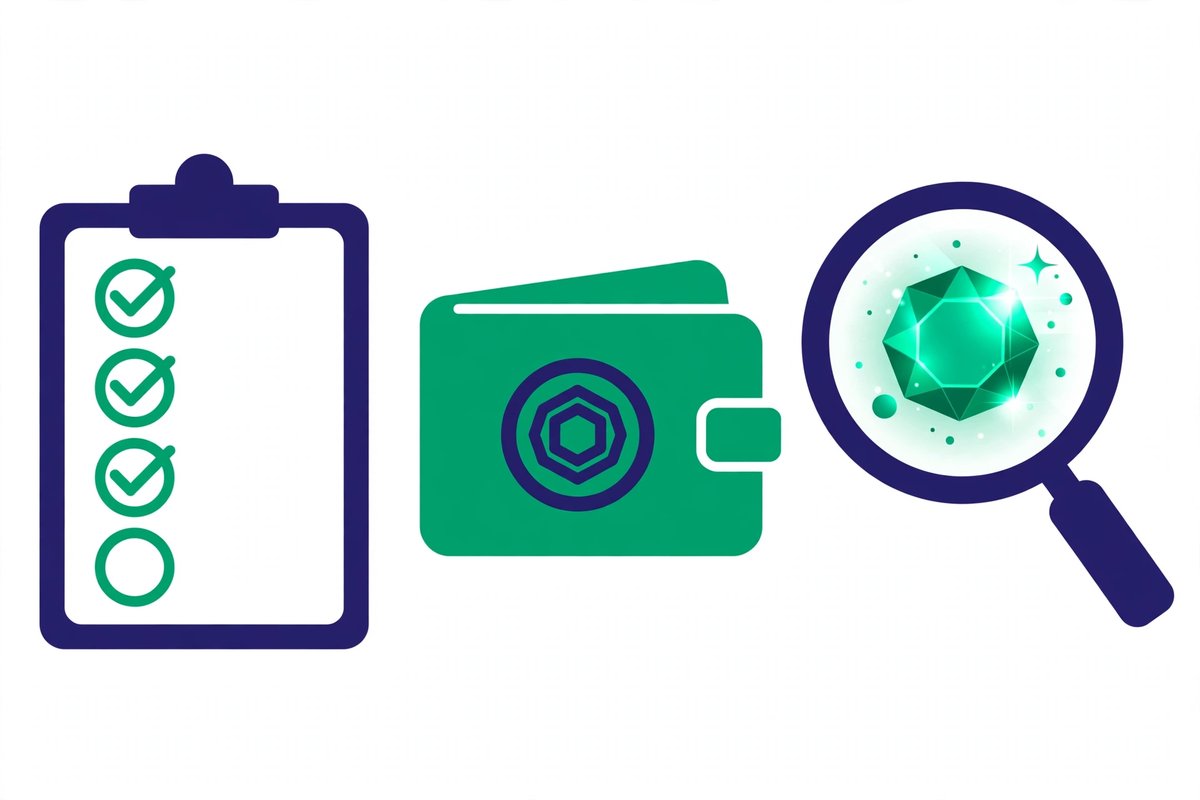
Follow this playbook to build genuine, airdrop-eligible wallet history. Every step below is drawn from how the biggest successful distributions actually rewarded users.
Step 1: Set Up a Dedicated Airdrop Wallet
Never farm from your main wallet. Set up a separate self-custody wallet — MetaMask, Rabby, or Trust Wallet are the standard choices — and fund it with a small amount for gas fees. If you're new to wallets, our complete beginner's guide to crypto wallets walks you through hot vs cold wallets, and our top wallet picks for 2026 compare the safest options. A separate farming wallet means that if a scam or a bad contract approval ever touches your airdrop activity, your main holdings stay safe.
Step 2: Build Real Activity on 5–8 Key Chains
Maintain active wallets on major chains — Base, Arbitrum, Solana, Scroll, and BNB Chain are strong in 2026. Transact weekly: swap, provide liquidity, bridge between chains, mint an NFT, stake. Diversity of interactions beats volume alone. A wallet that has swapped, staked, bridged, voted, and provided liquidity across three chains over six months looks like a genuine user — and that's exactly who gets paid.
Step 3: Target Funded Protocols Without Tokens
Use early-stage DeFi applications before they're widely promoted. A protocol with real product, credible VC backing, and no token is a candidate. Interact naturally — deposit into the vault, use the swap feature, hold positions over long time periods rather than farming for one afternoon and leaving.
Step 4: Use Official Campaign Platforms
Many projects run quests through Zealy, Galxe, TaskOn, or their own dashboards. These are fine — but only ever reach them through links from the project's official site or verified X (Twitter) account. Never connect a wallet through random links posted in comments, DMs, or Telegram groups.
Step 5: Participate in Testnets
Testnet airdrops are the closest thing to free money in crypto: test tokens cost nothing, and protocols reward the testers who helped them launch. Join upcoming testnets, deploy transactions, report bugs, and stay active until mainnet.
Step 6: Vote in Governance
Participate in governance votes on DAO platforms for protocols you actually use. Governance participation is a strong "real user" signal, and several past airdrops weighted voting activity heavily.
Step 7: Keep Records
Screenshot your activity as you go — quest completions, testnet transactions, staked positions. Projects occasionally ask for proof of activity, and in dispute cases, your records are your evidence.
Step 8: Be Patient — and Consistent
The biggest airdrops rewarded users who had been active for months or years, not days. Hyperliquid's record distribution went to genuine traders with deep history. Set a weekly routine: 30–60 minutes of genuine on-chain activity across your target chains. Consistency compounds.
How to Claim an Airdrop Without Losing Your Wallet
Claim day is the most dangerous day. Scammers know exactly when tokens go live, and they deploy pixel-perfect clone claim pages within hours. Follow this procedure exactly.
- Start from official channels only: navigate to the claim page from the project's official website or verified social accounts — never from a DM, a Google ad, or a link in a Discord chat.
- Check the URL character by character: scammers register domains that differ by one letter, a hyphen, or a different extension. Bookmark official sites in advance.
- Use your dedicated claim wallet: connect only your separate airdrop wallet — never your main holdings wallet — to any claim site.
- Read every wallet prompt: fake claim pages trigger malicious smart contract approvals that let attackers drain your tokens within seconds of you signing. If the prompt asks for unlimited token approvals, stop.
- Revoke approvals after claiming: use revoke.cash to check and revoke unlimited approvals from any airdrop interaction. This closes the backdoor scammers exploit weeks later.
- Never pay to claim: you may pay a normal network gas fee for the claim transaction itself, but no legitimate airdrop asks for an upfront payment, deposit, or your seed phrase to release tokens.
For a deeper dive into verification best practices, World.org's guide to avoiding airdrop scams covers the exact checks to run before connecting a wallet.
The 10 Red Flags of Fake Airdrops
Memorize these. Every wallet drained by a fake airdrop involved someone ignoring at least one of them.
- They ask for your seed phrase or private key: no legitimate airdrop will ever request these. This is the single most important rule — if a site asks for your seed phrase to "verify eligibility," it is a scam, period.
- They ask you to send crypto first: legitimate airdrops distribute tokens to you; they never require a "gas fee" or "verification deposit" sent to a stranger's address.
- The offer arrives by DM: scammers DM users on X, Telegram, and Discord pretending to be project team members. Legitimate projects rarely distribute airdrops via DM.
- The URL looks almost right: cloned websites swap letters for numbers, add hyphens, or change the domain extension. Always type official URLs from bookmarks.
- Countdown-timer pressure: "Claim before the timer ends" is manipulation designed to bypass your thinking. Real airdrops give weeks or months to claim.
- Too-good-to-be-true rewards: "Guaranteed $10,000 airdrop" or "instant millionaire" promises are bait, full stop.
- Unlimited approval requests: if the wallet prompt requests unlimited token access and you approve blindly, attackers can move your funds. Read every prompt.
- Unverified or brand-new social accounts: real projects announce through verified accounts with established follower counts. Cross-reference announcements across multiple official channels.
- Fake audit certificates and deepfake endorsements: in 2026, scammers use AI-generated promotional content, fake audit badges, and even deepfake videos. Professional appearance proves nothing.
- Tokens sent to you out of nowhere: scammers sometimes airdrop tokens directly into wallets to lure victims to malicious websites. Unsolicited tokens are a lure — don't interact with them.
As Zipmex's guide to spotting high-potential airdrops notes: look for major VC backing, working products with real TVL, and transparent teams — and run at the first sign of any red flag above.
Where to Find Legitimate Airdrops
Use these established discovery tools rather than random social media posts:
- earni.fi — aggregates eligible and upcoming airdrops with estimated values; start here to check if your wallet already qualifies for anything.
- DeFiLlama airdrops section — protocol-level tracking; the 'Raises' section flags newly funded protocols likely to airdrop.
- airdrop.io and Airdrops.io — curated listings with step-by-step guidance.
- CryptoRank airdrops — probability assessments and active campaign lists.
- Bankless Claimables — requires only a public wallet address and takes under a minute to check.
- Quest platforms: Zealy and Galxe for task-based campaigns tied to real projects.
UseTheBitcoin's roundup of the best airdrop websites for 2026 compares these trackers in depth and explains which ones beginners should start with.
The Tax Bite: Airdrops and US Crypto Taxes
This is the part nobody tells you at claim time: airdrops are taxable in the United States. The IRS treats airdropped tokens as ordinary income valued at their fair market value on the day you receive them — whether you asked for them or not.
The rules got stricter with the ADAPT Act's 2026 tax changes, which introduced new reporting requirements for stablecoins, wash sales, and staking rewards. Airdrops sit squarely in the income-reporting net, so keep records of every claim: the token, the date, the amount, and its USD value that day. Selling the tokens later triggers capital gains or losses on top of the income event. If airdrop farming becomes a serious income stream for you, talk to a crypto-savvy tax professional before tax season — not during it.
Airdrops vs. Other Ways to Earn Free Crypto
Airdrops are one of several ways to grow your holdings without buying. If you're building a broader strategy, our guide to earning passive income with crypto covers eight proven methods — including crypto staking, which pairs naturally with airdrop farming since staked positions often double as airdrop eligibility. And if you'd rather take a disciplined, low-effort approach to building your portfolio while you farm, dollar-cost averaging into Bitcoin remains the simplest strategy that actually works.
Frequently Asked Questions
Are crypto airdrops really free?
Mostly yes, but not always in the practical sense. Legitimate airdrops don't require payment, but qualifying often costs time, gas fees, liquidity exposure, or months of product use. Gas fees to complete qualifying transactions — or to claim the tokens — can sometimes exceed the value of small rewards.
How much can you earn from crypto airdrops in 2026?
Easy social or waitlist airdrops typically pay $50–$500. Medium-effort testnet airdrops pay $500–$5,000. Serious farming across funded protocols can yield $5,000–$50,000+. Historical standouts: Uniswap averaged $3,000+ per user, ENS averaged $15,000+, and Hyperliquid's record distribution averaged $10,000+ per user.
Do you need money to start airdrop farming?
No. Many legitimate airdrops are completely free — testnet airdrops use free test tokens, social task airdrops only require following accounts or joining Discord, and waitlist airdrops just need an email. Mainnet DeFi airdrops may require small gas fees, usually under $5 per transaction.
How do I check if my wallet qualifies for an airdrop?
Use aggregators like earni.fi or Bankless Claimables — paste your public wallet address (never a seed phrase) and they show which airdrops you likely qualify for. DeBank profiles and Rabby wallet also display protocol points and estimated values.
Is it worth farming crypto airdrops in 2026?
It can be — but only when the project has a real product, a credible reward path, and strong primary-source support. The market has matured: low-effort farming is far less effective than it was, and real usage matters more than checklist behavior. Treat farming as speculative effort with upside, not guaranteed income.
Are airdrops legal?
Claiming airdrops is legal in most jurisdictions, including the US. The tokens are taxable as income when received, however, and some projects geo-block certain countries. Always check the project's terms of service for geographic eligibility before spending effort.
Conclusion
Crypto airdrops in 2026 are a two-sided coin: the biggest distributions in history are happening right now, and the most sophisticated scams in history are happening alongside them. The farmers who win are not the ones running 50 bot wallets — those get sybil-filtered out. The winners are genuine users: they set up a dedicated wallet, use real products consistently over months, target funded protocols with real TVL, claim only through official channels, never share seed phrases, and revoke every unnecessary approval afterward.
Start today with 30 minutes of genuine on-chain activity — bridge to a chain you haven't used, stake a small amount, join a testnet. Check your wallet against earni.fi monthly. And the next time a project you actually used drops tokens to its community, you'll be the one waking up to a surprise deposit — not a drained wallet.
Looking for more ways to make your crypto work harder? Explore our passive income guide and the Polymarket prediction-market explainer next.