Best Crypto Wallets in 2027: 7 Wallets Ranked After the $116M Coldcard Hack — and 3 to Avoid
A $116M flaw drained 5,200 wallets — and 2026 exposed a security problem in six wallet brands. Here are the 7 best crypto wallets for 2027, ranked by security, price and coin support, plus the 3 traps to avoid before you move a single coin.
A single firmware flaw drained $116 million from 5,200 Bitcoin wallets — and 2026 exposed a security problem in six hardware wallet brands. The wallet you choose in 2027 matters more than the coins you hold, because Bitcoin is trading near $74,500, about 41% below its $126,156 all-time high, and the last thing a holder needs after a crash like this one is losing the recovery itself. This guide ranks the 7 best crypto wallets for 2027 by security, price and coin support — and names the 3 traps to avoid before you move a single coin.
New to self-custody? Start with our beginner explainer What Is a Crypto Wallet?. This article is the 2027 buying decision: which device to buy, what to pay, and what changed after the worst year for wallet security in a decade.
Why 2027 Changes the Wallet Question
For years the standard advice was simple: buy any hardware wallet from a big brand and you are safe. 2026 broke that advice.
The Coldcard flaw was the biggest wallet story of the year. On July 30, 2026, Coinkite disclosed that seeds generated on certain Coldcard firmware versions had reduced randomness — seed creation had fallen back to software instead of the hardware random-number generator, making some seeds guessable. As we reported in Coldcard Hack: Is Your Bitcoin Safe?, the flaw was linked to a $116 million drain across 5,200 wallets. The fix is out, but the damage was done: a wallet's whole job is generating one unpredictable number, and the most Bitcoin-purist brand got it wrong for years.
Tampered devices reached buyers through resellers. In October 2026, tampered Ledger units were reported in the supply chain, sold through a third-party distributor rather than Ledger's own store. The devices looked genuine. The lesson is permanent: the shop you buy from is part of the security model now, not just the device.
Lab attacks hit the chips themselves. Ledger's Donjon security lab demonstrated a laser fault-injection attack that could reset a Tangem card's access code in July 2026, and a similar lab attack on the TROPIC01 chip in Trezor's new Safe 7 in June 2026. Both need the device in hand plus lab equipment costing around $250,000, and both makers say everyday users' funds are not at risk — but the attacks prove no secure element is magic, and firmware you cannot update (Tangem cards cannot be updated) carries a risk you cannot patch away.
Six brands, two kinds of loss. A 2026 round-up counted six wallet brands that disclosed security problems this year — but users actually lost funds in only two cases: weak key generation and a tampered device. The failures were specific and avoidable. Buy from the official store, check the firmware is current, and never trust a pre-printed seed phrase, and you dodge both of them.
The stakes keep rising while prices fall. Around 3.7 million Bitcoin are already lost forever, according to our guide How to Store Bitcoin Safely in 2026 — mostly to lost keys, dead devices and forgotten passwords. In a year when Bitcoin has fallen 41% from its peak and spot Bitcoin ETFs have bled hundreds of millions a week, a security mistake is the one loss you cannot recover from a rebound. The market may come back in 2027. A lost seed phrase never does.
How We Ranked the 7 Wallets for 2027
Every wallet below was scored on the same six tests, using manufacturer documentation, independent audits and the 2026 incident record reported by CoinTutorial, AltRookie and CryptoRadar:
- Secure element certification: a tamper-resistant chip rated EAL5+ or EAL6+ under Common Criteria.
- Open-source firmware: code independent researchers can inspect — the only way a flaw like Coldcard's gets caught by outsiders.
- Backup design: how you recover if the device breaks, is lost or is stolen — seed phrase, multi-share backup or backup cards.
- Coin support and 2027 readiness: thousands of assets, staking support, updateable firmware.
- Price: official-store prices as of October–November 2026; check the store before buying, as promotions change.
- 2026 incident record: what went wrong this year, and whether the fix is real or just a statement.
Prices are from each maker's official store — never buy used, or from a reseller.
The 7 Best Crypto Wallets for 2027 — Ranked
| Rank | Wallet | Best for | Price | Secure element | Open source | Coins |
|---|---|---|---|---|---|---|
| 1 | Trezor Safe 5 | Best all-round | $129 | EAL6+ | Yes | 9,000+ |
| 2 | Ledger Nano X | Widest app support | $149 | CC EAL5+ | No | 5,500+ |
| 3 | Trezor Safe 3 | Best budget pick | $59 | EAL6+ | Yes | Thousands |
| 4 | Tangem Wallet | Simplest setup | $54.90 (2 cards) | EAL6+ | App only | 16,000+ |
| 5 | Trezor Safe 7 | Flagship touchscreen | $249 | EAL6+ + TROPIC01 | Yes | Thousands |
| 6 | ELLIPAL Titan 2.0 | Air-gapped isolation | $119 | CC EAL5+ | No | 10,000+ |
| 7 | SafePal S1 | Cheapest air-gapped | $49.99 | EAL6+ (vendor claim) | Key-gen code only | Thousands |
 1. Trezor Safe 5 — the best crypto wallet for most people in 2027
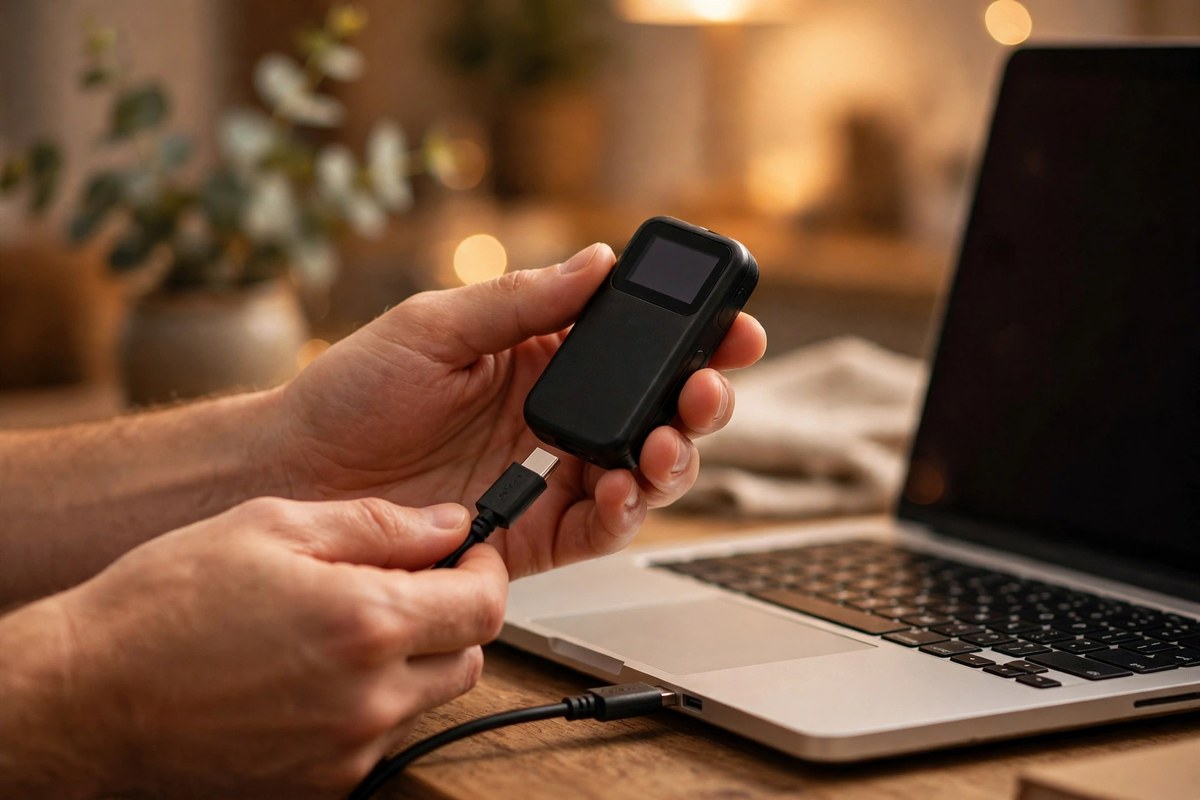
The Safe 5 is the strongest all-round choice on this list, and the only one that pairs an EAL6+ certified secure element with fully open-source firmware. Trezor invented the consumer hardware wallet category in 2014 and still publishes its code for anyone to inspect — which is exactly the transparency that catches the kind of flaw Coldcard missed. The colour touchscreen makes verification easy, and optional Shamir multi-share backup splits recovery across several shares. The catch: a shipping-provider breach in its history means phishing attempts still target Trezor owners — buy only from the official store and never trust a support message that asks for your seed.
2. Ledger Nano X — the widest app and chain support
Ledger has shipped hardware to millions of holders, and the Nano X remains the pick if you hold a wide spread of altcoins, use DeFi apps or manage everything from your phone over Bluetooth. It runs a CC EAL5+ certified secure element and the Ledger Wallet app covers 5,500+ assets plus staking and Web3 connections. The trade-offs are real: the secure-element operating system is not fully open source, the optional paid Ledger Recover service split opinion when it launched, and the October 2026 tampered-device reports came through a third-party distributor — so the official store is not a suggestion, it is the whole point.
3. Trezor Safe 3 — the best budget hardware wallet
At $59, the Safe 3 is the cheapest way to get an EAL6+ secure element and open-source firmware in the same device. It has a small monochrome screen and two buttons, and supports 12, 20 or 24-word recovery plus multi-share backup. The compromise: it cannot be managed in Trezor's iPhone app, so iPhone-only users should step up to the Safe 5. For a first hardware wallet on a budget it is the best value here.
4. Tangem Wallet — the simplest crypto wallet for beginners
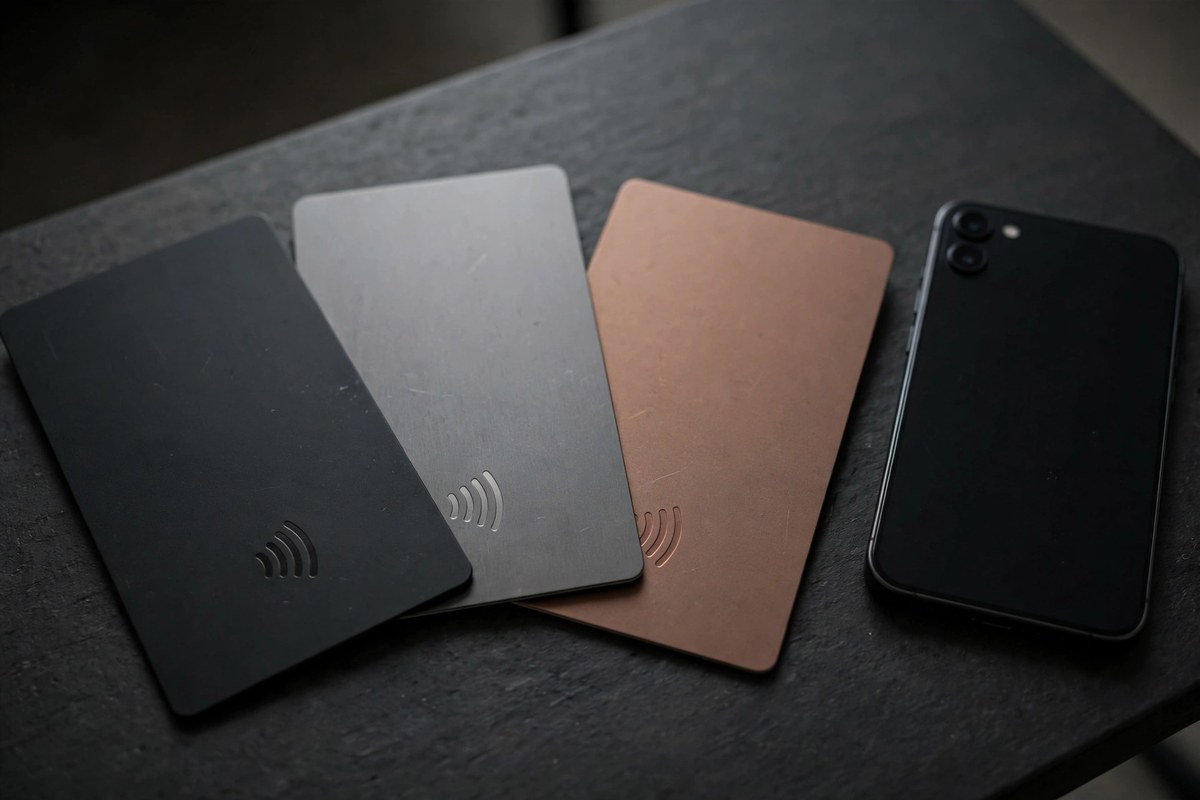
Tangem replaces the gadget with NFC cards. You tap a card to your phone to sign, a 2-card set costs $54.90 and a 3-card set $69.90, and the backup cards remove the seed phrase entirely — you can still create one if you want it. It supports 16,000+ assets across dozens of networks, the widest coin coverage per dollar on this list. The catches matter in 2027: the cards have no screen, so you verify transactions on your phone rather than on the device, and the card firmware cannot be updated — the July 2026 laser attack Ledger's lab demonstrated cannot be patched out of cards already in circulation. For a small, simple stash it is fine. For a life-changing amount, pick a device with a screen.
5. Trezor Safe 7 — the flagship for 2027
The Safe 7 is Trezor's newest flagship at $249, with a 2.5-inch colour screen, Bluetooth, wireless charging and a second secure element, the TROPIC01, alongside the EAL6+ chip. It is the most future-proof device here on paper. The reason it sits at #5 instead of #1 is the June 2026 lab attack: Ledger's Donjon team demonstrated a laser fault-injection attack on the TROPIC01 chip under lab conditions. Trezor says funds are not at risk because the chip alone is not enough to reach a wallet — but a flagship launched into a year of chip attacks should be judged on its record, not its spec sheet.
6. ELLIPAL Titan 2.0 — the best air-gapped wallet
The Titan 2.0 is fully air-gapped: it has no USB data, Bluetooth, NFC or Wi-Fi for signing and communicates only by QR codes through its camera, at $119 with a CC EAL5+ secure element and 10,000+ coins supported. Air-gapped signing is the strongest isolation short of a fully offline computer — the right call if your threat model includes a compromised laptop or phone. The trade-off is convenience — every transaction is a QR-code dance — and the firmware is not open source.
7. SafePal S1 — the cheapest air-gapped wallet
At $49.99, the SafePal S1 is the cheapest credible cold storage on this list, and it is also air-gapped, signing via QR codes with an EAL6+ chip by the vendor's claim. It suits a holder who wants offline keys on a tight budget. The caveats: only the key-generation code is open source, and its most famous security moment is a 2020 lab finding by Kraken rather than a recent audit. Treat it as a solid second wallet or a starter vault — not as the single home for a portfolio you cannot afford to lose.
The Best Software Wallet for Daily Use in 2027
Hardware wallets are for storage. Daily spending needs a hot wallet, and the rule for 2027 is the same as ever: keep small amounts hot and the bulk cold. MetaMask is the default for Ethereum and EVM chains, Phantom the pick for Solana, and Coinbase Wallet the beginner-friendly option. None should hold your life savings — a phone app is only as safe as the phone, and phishing and fake apps target hot wallets first. Keep a month of spending money hot and the rest cold. Our 2027 portfolio guide Your Crypto Portfolio in 2027: 7 Moves to Make Before December 31 shows how to split holdings across storage types before the new year.
3 Wallets to Avoid in 2027
 These three traps cost real people real money in 2026, and all three are still live in 2027.
First trap: any device bought used or from a reseller. The October 2026 tampered-Ledger reports are the proof — devices sold through a third-party distributor, not Ledger's own store, arrived compromised. A hardware wallet's security starts at the factory seal. Buy direct from the maker, check the seal, and if the price looks too good, it is.
Second trap: any wallet that arrives with a seed phrase already printed. No legitimate wallet ever ships with recovery words printed on a card inside the box. If yours does, the seller already has them — throw the device away. The same rule applies to any website, support agent or "wallet validation" letter that asks for your 24 words. Ledger says it will never call, DM or ask for your recovery phrase — yet in 2025 scammers sent physical letters with its logo demanding a "mandatory wallet validation" via QR code.
Third trap: keeping your whole stack on an exchange as your only storage. Exchanges are convenient and they are counterparties. In November 2026 the US Treasury moved to cut MEXC, a top-20 exchange, off from American finance under a money-laundering order — a reminder that access to an exchange can change by government order, not just by hack. Use exchanges to buy, then move the bulk to a wallet you control. If you stake from an exchange, read Crypto Staking Explained first so you understand what yield you are giving up to the middleman.
What Most People Get Wrong About Wallet Security
Myth 1: a hardware wallet makes me unhackable. It does not. It protects you if your laptop is hacked, a phishing link tricks you, or malware watches your clipboard. It does not protect you if you hand your recovery words to a scammer, approve a transaction you did not read, or lose every backup. The device is one layer; your habits are the rest.
Myth 2: a photo of my seed phrase is a fine backup. It is the worst backup. A photo syncs to the cloud, gets backed up to services you forgot, and is one phone theft away from an empty wallet. Write the words on paper or stamp them on metal, keep the copy away from any screen, and store a second copy somewhere else. Our 2026 comparison Best Crypto Wallets in 2026 made the same point after the $6.3 billion Binance hack — a year later, it is still the most common mistake beginners make.
Myth 3: open source automatically means safe. Open source means flaws can be found, not that they have been. Coldcard's flaw was a software fallback in seed generation that went unnoticed for years. Open source plus a certified secure element plus regular audits is the combination that works — any one of the three alone is not enough.
What Happens Next: Crypto Wallets in 2027
First, wallets are disappearing into apps. Passkeys and embedded wallets are turning wallet creation into a background step — you sign up, a wallet exists, and you never see a seed phrase. If your wallet cannot export keys or a recovery phrase at all, you do not own the wallet — you rent it.
Second, the quantum clock is ticking. Quantum-resistant addresses are already arriving — the XRP Ledger shipped quantum-proof accounts in November 2026 — and Bitcoin's own upgrade path now has a name, Falcon-1024. A wallet you buy in 2027 should have firmware that can be updated when the migration comes — another reason updateable firmware matters more than a slightly lower price.
Third, wallets are becoming payment tools. Square's rollout of default Bitcoin payments for US sellers reaches its finish line on November 10, 2026, with zero processing fees through 2026, and PNC — America's eighth-largest bank — now takes stablecoin payments. By 2027 your wallet will not just store value; it will be how you pay.
The 2027 Wallet Setup Checklist
Use this before you move a single coin to a new wallet:
- Buy direct from the maker's official store — never used, never from a marketplace seller.
- Check the seal and the packaging; if anything looks opened or resealed, stop and contact the maker.
- Set the device up yourself and let it generate a fresh seed phrase — never use words that came in the box.
- Write the recovery words on paper or metal, never photograph them, and store a second copy in a different place.
- Update the firmware to the latest version before depositing anything, and check the maker's July 2026 advisory if you own a Coldcard.
- Send a small test transaction first, then wipe and restore the device from your backup to prove the recovery works.
- Move only spending money to a hot wallet; keep the bulk cold, and re-check your setup every quarter in 2027.
FAQs: Best Crypto Wallets in 2027
What is the best crypto wallet in 2027?
For most people, the Trezor Safe 5 at $129 — EAL6+ secure element, fully open-source firmware, colour touchscreen and multi-share backup. If you hold many altcoins and manage everything from your phone, the Ledger Nano X at $149 has wider app support. On a budget, the Trezor Safe 3 at $59 or Tangem at $54.90 are the best cheap picks.
Are hardware wallets still safe after the Coldcard hack?
Yes — if you buy the right one and set it up correctly. The Coldcard flaw was specific: seeds generated on certain firmware versions from 2021 until the July 2026 fix had reduced randomness. It does not affect other brands, and Coldcard fixed the firmware. Buy from the official store, update firmware before depositing, and verify your backup with a test restore.
How much should I spend on a crypto wallet?
Match the price to the amount you protect. Under $1,000 in crypto, a $55–$59 wallet like Tangem or the Trezor Safe 3 is enough. Over $10,000, spend $129 on a Trezor Safe 5 or $149 on a Ledger Nano X — roughly 1% of the stash for the device that guards all of it.
Hot wallet vs cold wallet — which do I need in 2027?
Both, for different jobs. A hot wallet is for daily spending and small amounts; a cold wallet is for the bulk of your holdings, kept offline. Keeping everything hot exposes you to phishing and malware; keeping everything cold makes everyday use painful.
Can I lose my crypto if I lose my hardware wallet?
No — if your recovery backup is safe. The coins live on the blockchain, not in the device; the device only holds the keys. Buy a replacement, enter your 12 or 24 recovery words, and your funds are back. What you cannot recover from is losing the device and the backup together.
Conclusion: Buy the Wallet Before the Next Hack, Not After It
2026 was the year wallet security stopped being a boring footnote and became the story: a $116 million firmware flaw, tampered devices in the supply chain, laser attacks on secure-element chips, and six brands disclosing problems. The failures were specific, the fixes are real, and the best wallets of 2027 are better than anything you could buy a year ago — an EAL6+ chip and open-source firmware now cost $59.
Bitcoin at $74,500 is a test of patience; wallet security is a test of preparation. The market may take months to recover, and nobody knows whether 2027 brings $150,000 Bitcoin or another leg down. What you can control today is where your coins sleep tonight. Pick a wallet from the top of this ranking, buy it direct from the maker, back it up properly, and test the recovery before you need it.