Binance Withdrawals Restarting: $6.34B Refund, Proof of Reserves on Nov 2 — 5 Checks Before You Move Your Crypto
Binance set aside $6.34B to cover the $6.3B hack and targets a phased withdrawal restart from Sunday, Nov 1, with proof of reserves due Nov 2 — run these 5 checks before you move a single coin.

Binance has set aside more than $6.34 billion of its own money to cover the $6.3 billion hack that drained its hot wallets on October 29, and it is targeting a phased restart of withdrawals from Sunday, November 1, with proof-of-reserves results due Monday, November 2. That is the good news. The catch is that a phased restart is not a green light to move everything at once: withdrawals return in stages, by coin and network, and only after security checks clear — and scammers are already circling users desperate to get their funds out. Before you withdraw a single coin, run the five checks in this guide.
This is the update millions of Binance users have been waiting for since withdrawals were paused. In its second security update, published Friday, October 30 and signed by co-CEOs Yi He and Richard Teng, Binance laid out four priorities: restart withdrawals in phases, verify customer reserves, recover frozen assets, and publish a technical post-mortem. Here is what each of those means for your money, what to check before you act, and what could still go wrong.
What Binance Just Announced: The Timeline That Matters
The hack itself hit at around 20:05 UTC on October 29, when Binance's hot wallets were compromised and roughly $6.3 billion in token assets were taken in unauthorized withdrawals — the largest exchange theft on record. Binance's initial investigation pointed to a compromised laptop belonging to a DevOps engineer, and further work has since uncovered additional breach points. Independent analysis from TRM Labs described an EIP-7702 delegation that caused a Binance Ethereum hot wallet to execute attacker-controlled code.
The October 30 update changed the conversation from "what was stolen" to "who pays and when you get access back." The key dates, all targets rather than guarantees, are:
| Date | What Binance says happens | Why it matters to you |
|---|---|---|
| October 29, ~20:05 UTC | Hot wallets compromised; ~$6.3 billion taken | The starting point for every refund and recovery claim |
| October 30 | Second update: $6.34 billion set aside; phased restart planned | Binance commits company funds, not customer funds, to cover losses |
| Within ~34 hours of the October 30 update | First phased withdrawal reopening, subject to security checks | Points to early Sunday, November 1, European time — in stages, not all at once |
| Within 12 hours of the update | Initial proof-of-reserves snapshot taken | The raw data behind the reserves report |
| Monday, November 2 | Proof-of-reserves results published | Your chance to verify your own balance is backed |
| Coming days | Technical post-mortem report | The full explanation of how the breach happened and what changed |
Two warnings belong right here. First, Binance has been explicit that the restart depends on security checks being completed — earlier estimates ran longer, at 45 to 48 hours, so treat Sunday as a target, not a promise. Second, a phased restart means not every coin, network, or account reopens at the same moment. If your coin is still paused while someone else's is live, that is the plan working as described, not a reason to panic or to click a "fix" link from a stranger.
The $6.34 Billion Refund: How Binance Says It Will Pay
Binance's commitment is unusually specific, and that specificity is worth understanding before you judge it. The company says it will absorb the full financial impact itself — "Binance will absorb the financial impact of these stolen funds, not our users," the co-CEOs wrote — funded through its Secure Asset Fund for Users (SAFU) and its corporate treasury.
Of the more than $6.34 billion set aside, about $5 billion is already held in the exact tokens that were stolen, including USDC, USDT, Bitcoin, Ethereum, and BNB. That covers roughly 80% of the loss. Binance says it is buying the remainder through public markets and over-the-counter channels. Holding the same tokens matters: it means Binance is not planning to repay you in a substitute asset or a promise, but in the coins you actually held.
Keep the frozen funds separate in your head from the refund. Binance says industry partners have frozen roughly $3 billion of the stolen assets. A freeze stops the money moving; it does not return it. Recovering frozen funds takes additional legal and technical steps, and the frozen total cannot simply be added to the replacement reserves to produce a final loss figure. The refund and the recovery are two different tracks, and only the first one determines whether your balance is made whole.
There is also an important distinction Binance itself has drawn: co-CEO Richard Teng said the theft hit Binance's own hot wallet, and that most user assets sit in offline cold wallets, only moving to a hot wallet when someone withdraws. That is the company's account, and the proof-of-reserves report on November 2 is the document that lets users test it rather than take it on trust. Until then, treat the $6.34 billion as a funded commitment from the company, not as verified restitution.
What a "Phased Restart" Actually Means for Your Withdrawal
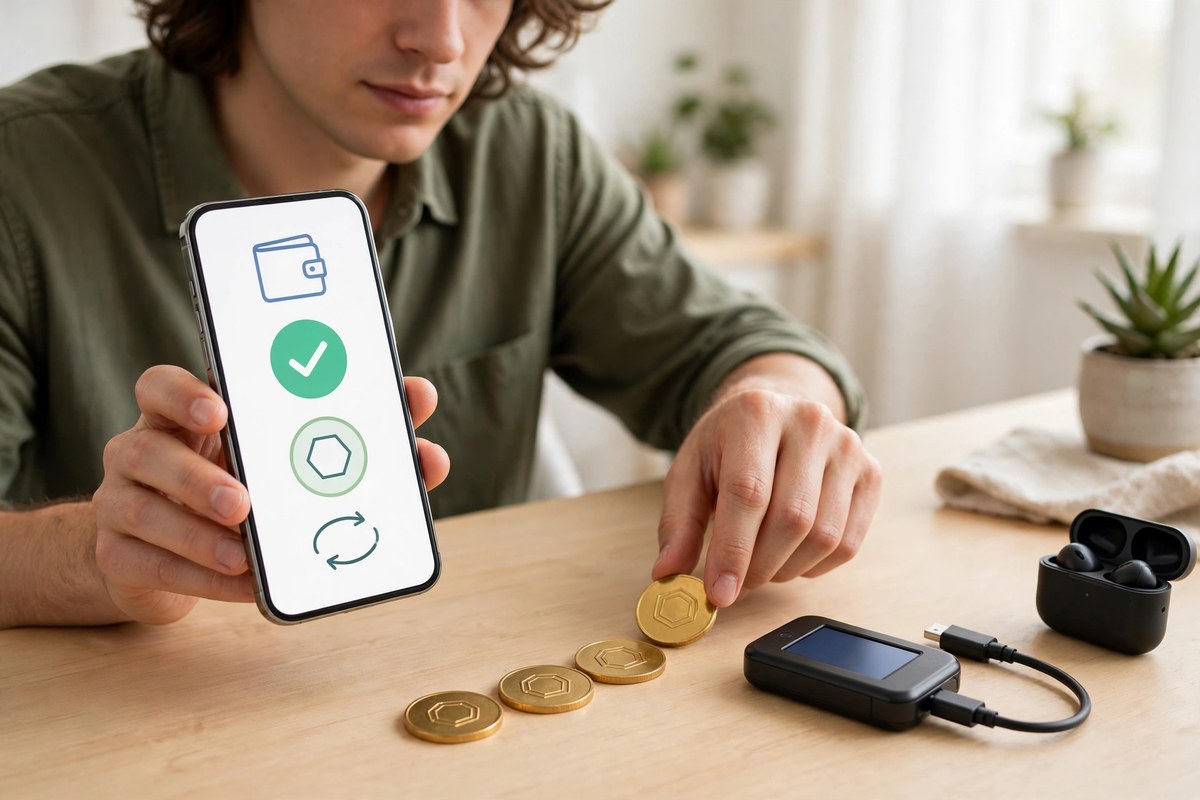
When withdrawals reopen in phases, expect a staggered, uneven experience. Binance says updates will be issued as each phase becomes available, and deposits plus unaffected services have stayed operational throughout the suspension. Trading inside your account may still be possible while withdrawals are paused — but trading only changes what you hold; it does not get assets out.
Practically, this means three things. Some networks may reopen before others, because each one needs its own security validation. Some coins may be delayed if their hot-wallet infrastructure was more deeply affected. And individual accounts flagged for extra review may wait longer. None of that, on its own, signals a new problem — but all of it is a reason to check the official status page for your specific coin and network rather than assuming the whole exchange is open because one withdrawal worked.
It also means the first hours of the restart are the worst time to rush. Withdrawal systems under heavy load after a multi-day pause are exactly where mistakes happen: wrong networks selected, wrong addresses pasted, test transactions skipped. The funds are not going anywhere in the minutes you take to double-check an address, but a coin sent to the wrong network can be gone permanently.
The 5-Check List: Run This Before You Move Any Crypto
This is the checklist to work through before your first post-hack withdrawal, whether you plan to move everything to self-custody or leave some funds on the exchange. Do not skip a step because the previous one looked fine.
Check 1: Confirm the restart is real, from Binance only
Verify the withdrawal reopening on Binance's own channels — its official announcements, status page, and in-app notices. Ignore emails, texts, social-media messages, and "support" accounts telling you withdrawals are open, offering to unlock your account, or asking you to "verify" through a link. Phishing always spikes after a major hack, and fake "recovery" offers are the single most predictable scam of the next two weeks. Binance will never ask for your seed phrase, private keys, or remote access to your device.
Check 2: Send a small test withdrawal first
Whatever you plan to move, send a small amount first and wait for it to arrive in your wallet before sending the rest. This one habit catches wrong-network selections, wrong addresses, and memo-tag mistakes before they become expensive. If the test amount does not arrive, stop — do not send a second, larger transaction hoping the first one was just slow.
Check 3: Verify the address, network, and memo by hand
Copy the destination address from your own wallet, not from a message, screenshot, or previous chat. Confirm the network matches exactly on both sides — USDT on the wrong chain is the classic unrecoverable error — and include a memo or tag wherever the receiving wallet requires one. Read the first and last characters of the address aloud before confirming. Malware that swaps clipboard addresses is a known attack vector, and it thrives in exactly this kind of high-pressure moment.
Check 4: Decide how much stays on the exchange — deliberately
Use the restart as a prompt to decide your split on purpose, not by default. Funds you trade with regularly can reasonably stay on an exchange; long-term holdings you do not touch for months are usually better in self-custody, where you control the keys. Our guide to the best crypto wallets for beginners in 2026 compares hot and cold wallets, and what a crypto wallet actually is explains the difference between holding coins on an exchange and holding your own keys. If you are moving to a hardware wallet for the first time, set it up from the manufacturer's official software, write down the recovery phrase offline, and never photograph or store it online.
Check 5: Check your balance against the November 2 proof of reserves
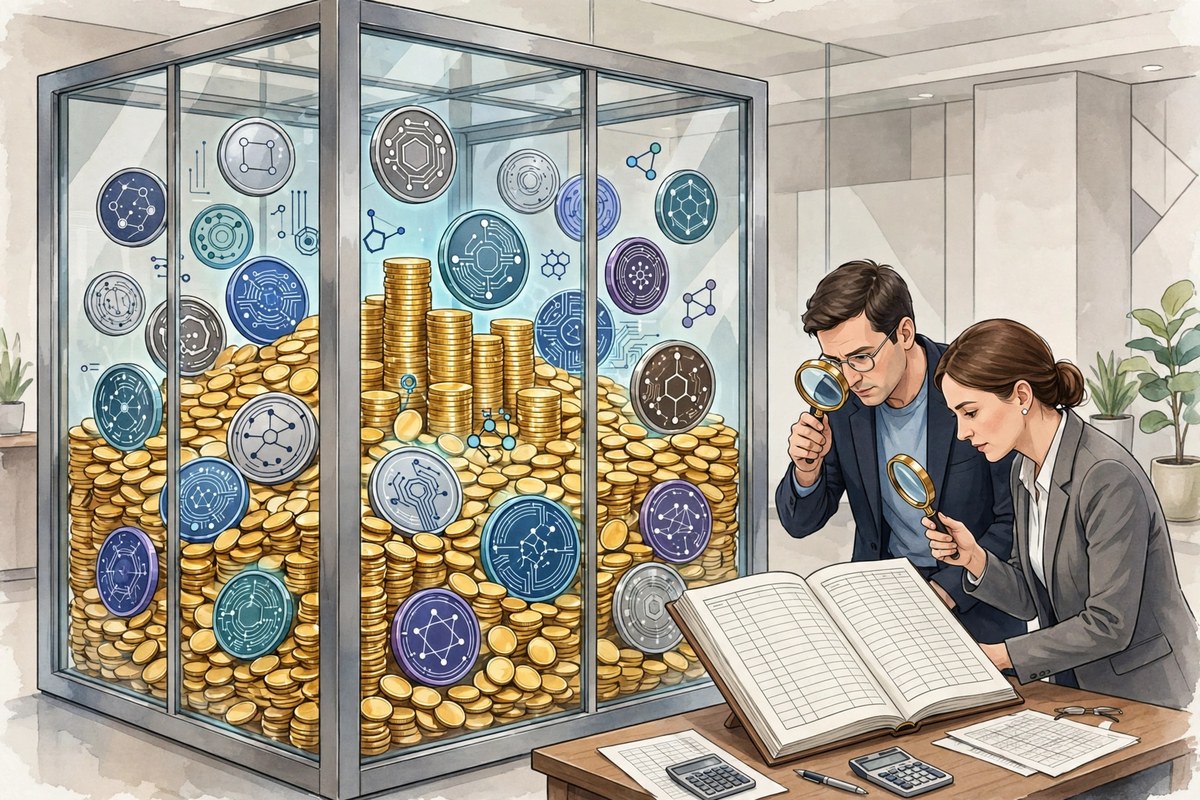
When Binance publishes its proof-of-reserves results on November 2, use them. The report is designed to let users verify their own balances are backed by the assets Binance holds. Check that your balance appears correctly, and read what the report covers — and what it does not. Proof of reserves shows assets held against customer balances; it is not a full audit of liabilities, and it does not by itself prove every internal control is fixed. Treat a clean report as a positive signal, not as a reason to stop paying attention, and treat any gap or delay in the report as a reason to keep more funds in self-custody until the picture clears.
Proof of Reserves on November 2: What to Actually Verify
Proof of reserves is a report of the assets an exchange holds against customer balances. Binance says the November 2 results will let users check their own balances and how they are backed, following an initial snapshot taken within 12 hours of the October 30 update.
When the report lands, look for four things. First, whether your own balance is included and verifiable through the method Binance provides. Second, whether the report covers the coins you actually hold, not just Bitcoin and a headline total. Third, whether the snapshot date is clearly stated — a snapshot taken before replacement purchases finished tells a different story from one taken after. Fourth, whether an independent party was involved in preparing or reviewing the figures, and what exactly they attested to. A reserves report with a vague scope is worth less than a narrower report with a clear methodology.
Also remember what proof of reserves cannot do. It does not prove the exchange's internal systems are now secure, it does not recover the frozen $3 billion, and it does not guarantee withdrawal speeds during a phased restart. It answers one question — are customer balances backed by assets the exchange holds? — and that question matters a lot right now, but it is not the only question.
Scams to Avoid While Withdrawals Restart
The days around a withdrawal restart are prime hunting season for scammers, because urgency plus confusion equals clicks. Expect fake Binance support accounts, fake "compensation claim" websites, phishing emails claiming your account needs "re-verification" before withdrawals reopen, and social-media posts offering to "recover" stolen funds for a fee. No legitimate recovery process asks you to send crypto to "unlock" a refund, and no Binance employee will contact you first asking for credentials.
The safest rule is boring and absolute: only use Binance's official app or website, typed in by you or opened from your own bookmark, and only trust announcements posted there. If a message creates urgency — "withdraw in the next hour or lose access" — that urgency is itself the warning sign. Real restarts come with status pages and phased timelines; scams come with countdowns.
If you were already thinking about reducing exchange exposure before this hack, this is also the moment to revisit that decision calmly. Our earlier analysis, Is Binance Safe After the $6.3B Hack? Should You Move Your Crypto Off Exchanges Now?, walks through the self-custody trade-offs, and our explainer on how the $6.3 billion hack unfolded covers the attack itself. For the bigger picture of who is behind exchange thefts this year, see North Korea Stole 89% of All Crypto Hacked in 2026 — and if you are new to choosing a platform at all, the best crypto exchange for beginners in 2026 compares fees and safety features across platforms.
What Happens Next: The Dates After November 2
After the proof-of-reserves results, the next milestone is Binance's technical post-mortem: what happened, what lessons were learned, and what new safeguards are in place. That report matters more for long-term trust than any single day's withdrawal status, because it will show whether the additional breach points found after the initial laptop compromise have actually been closed — across employee devices, cloud systems, key management, and transaction signing, all areas Binance says its review covers.
Market watchers will also be watching two things that have nothing to do with Binance's announcements. The first is whether the frozen $3 billion moves toward recovery or stays stuck — frozen is not returned, and the legal path for stolen crypto is slow. The second is whether Bitcoin holds above the $76,000 area it tested after the hack, with spot ETF flows on Monday, November 2, giving the first read on whether institutional selling has eased. The hack did not happen in a vacuum: it landed in a market already sliding, with Bitcoin about 39% below its October 2025 all-time high near $126,000 and fear readings in the low 30s.
For ordinary users, though, the "what happens next" is simpler and more personal: withdrawals reopen in stages, reserves get published on Monday, and your job is to move deliberately, verify everything, and ignore everyone rushing you. The exchange survived the largest theft in its history with a funded refund plan. Whether individual users come through it whole will depend less on Binance's balance sheet and more on whether they fall for a phishing link in the next 72 hours.
Frequently Asked Questions
When will Binance withdrawals restart?
Binance is targeting the start of a phased withdrawal restart within about 34 hours of its October 30 update, which points to early Sunday, November 1, European time. The restart is subject to security checks and will happen in stages, so not every coin, network, or account will reopen at the same moment. Check Binance's official status page for your specific asset rather than assuming the whole exchange is open.
Will Binance refund all hacked funds?
Binance says it will absorb the full cost itself through its SAFU fund and corporate treasury, having set aside more than $6.34 billion. About $5 billion is already held in the exact tokens stolen — roughly 80% of the loss — with the remainder being purchased on markets and over the counter. The roughly $3 billion frozen by partners is a separate recovery track, not part of the refund total.
What is Binance's proof of reserves, and when is it published?
Proof of reserves is a report showing the assets Binance holds against customer balances. An initial snapshot was taken within 12 hours of the October 30 update, with results due Monday, November 2. Users should be able to verify their own balances are backed, and should check the snapshot date, the coins covered, and the methodology before treating the report as conclusive.
Should I move all my crypto off Binance now?
That depends on how you use the funds. Coins you trade regularly can stay on an exchange; long-term holdings are usually safer in self-custody with a hardware wallet, where you control the keys. Whatever you decide, move deliberately: send a small test withdrawal first, verify the address and network by hand, and never act on a link sent to you by a stranger claiming to help with the restart.
Are deposits still working on Binance?
Yes — Binance says deposits and other unaffected services have remained operational throughout the withdrawal suspension. Trading inside your account may also still be possible, but trading only changes what you hold; it does not move assets off the exchange while withdrawals are paused.
How do I avoid Binance refund scams?
Only use Binance's official app or website, opened from your own bookmark. Never share your seed phrase or private keys, never grant remote access to your device, and never send crypto to "unlock" a refund or claim compensation. Real updates come from Binance's official channels with status pages and timelines; scam messages create false urgency with countdowns and links.
Conclusion
The $6.34 billion refund commitment and the phased withdrawal restart are genuinely good news for Binance users — but they are the start of the recovery, not the end of it. Run the five checks before you withdraw, verify your balance against the November 2 proof of reserves, send a test transaction before moving the rest, and ignore every stranger offering to speed the process up. The hack took minutes; getting your coins out safely should take a little longer, and that patience is the whole point.
Sources: Binance's October 30 security update via Binance Square; Crypto.news; Crypto Briefing; CoinStats market data, October 31. This article is for information only and is not financial advice.